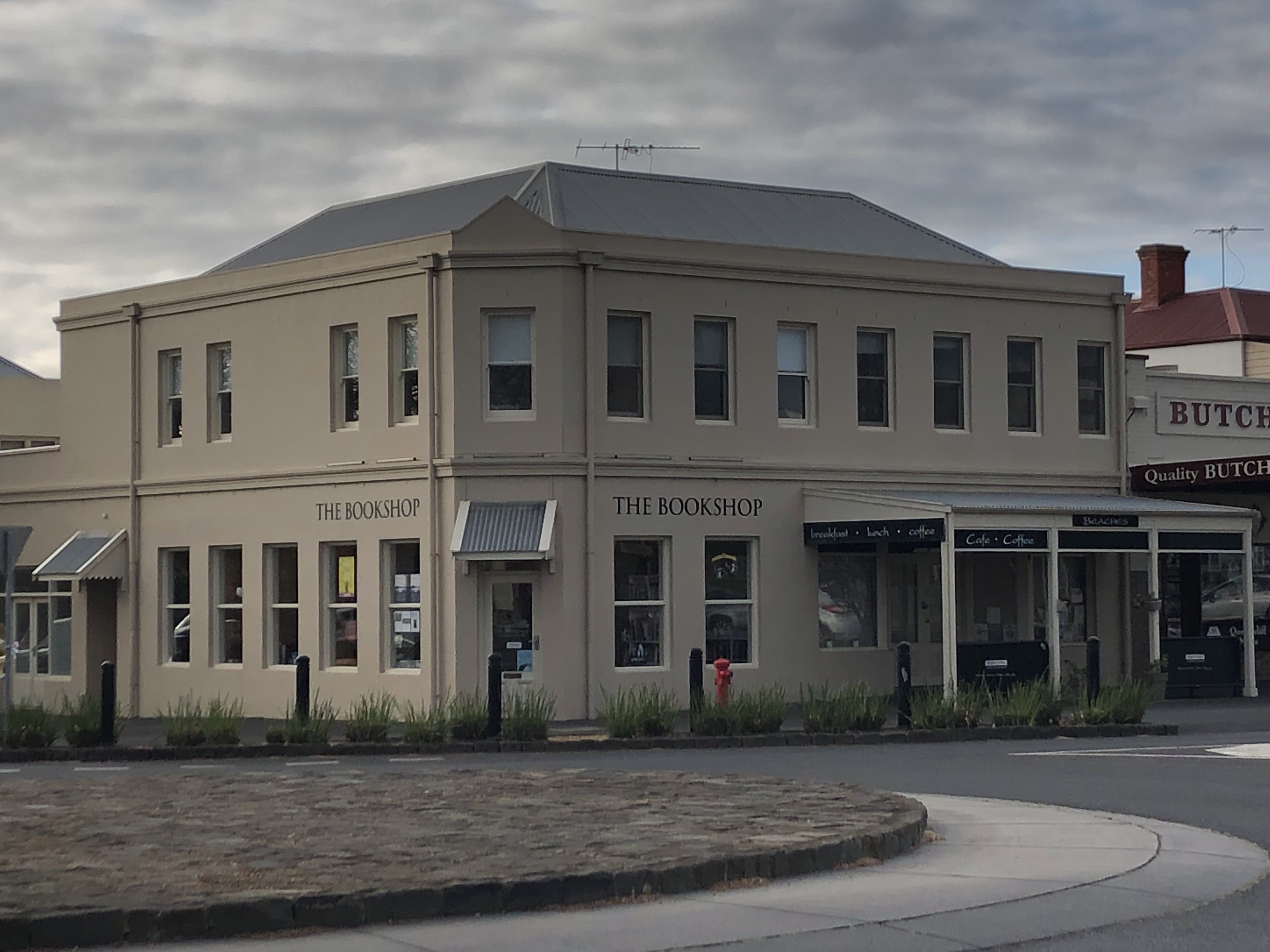
If you don't visit a bookshop, have you even been to Clunes?

Even older than its more famous neighbours Ballarat and Bendigo, Clunes was the first gold rush town in Victoria. 

Gold was discovered there in 1850 by William Campbell, but the discovery was not made public until the following year. This triggered the gold rush in Victoria, and Clunes became a thriving township. 

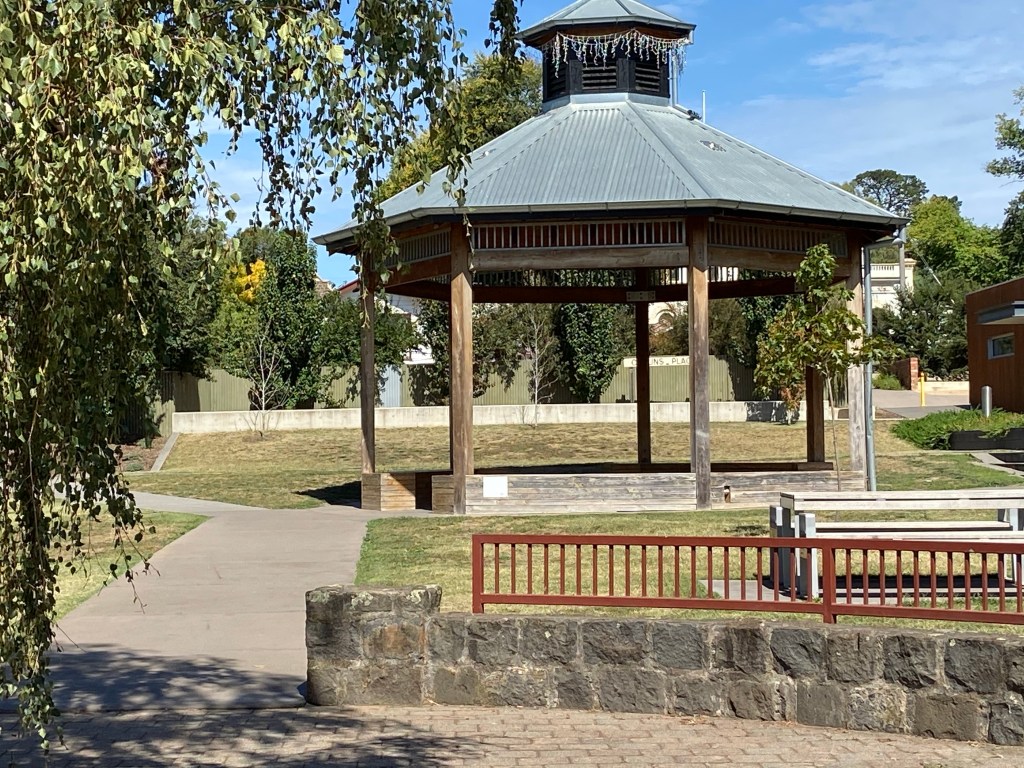
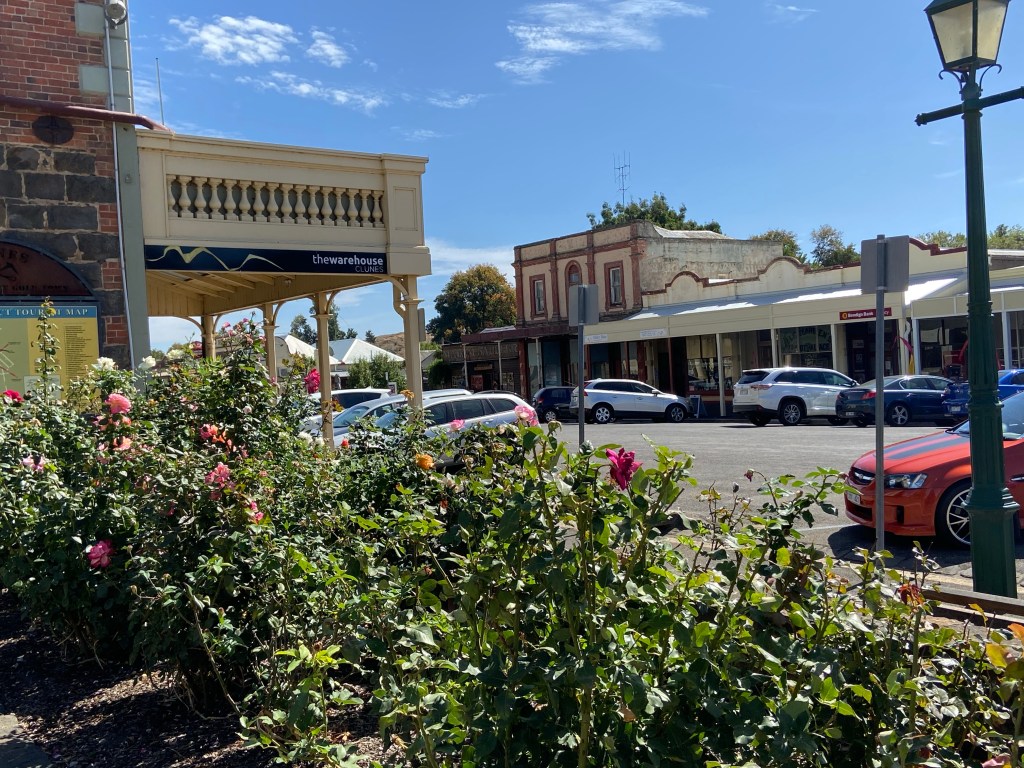
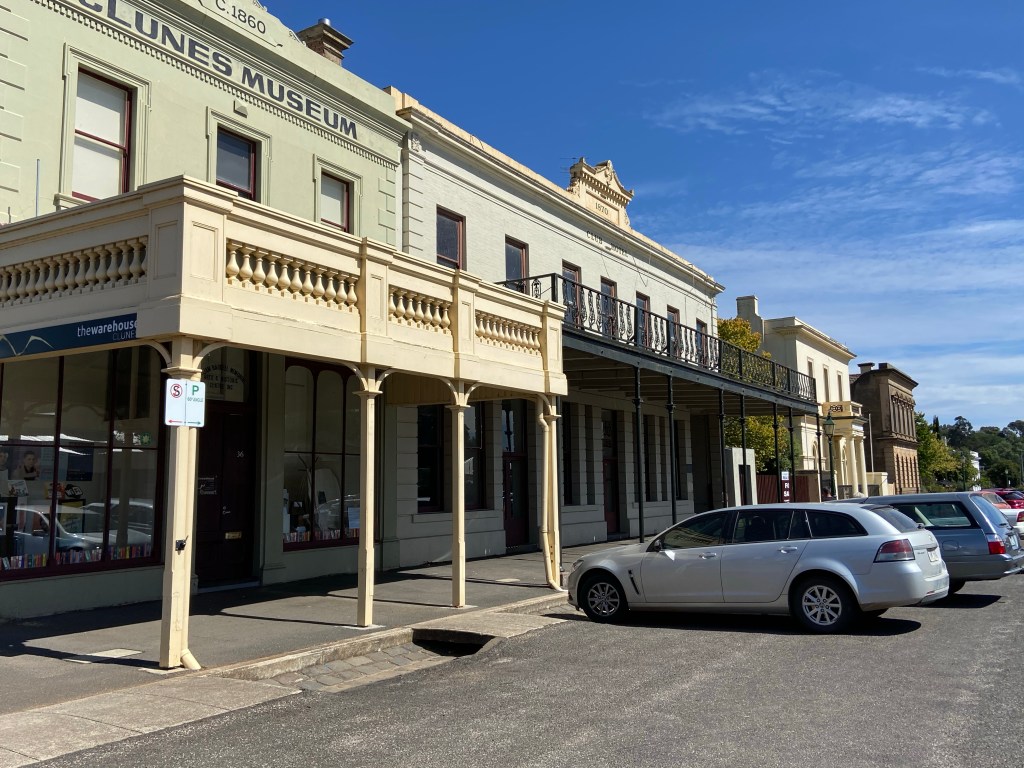
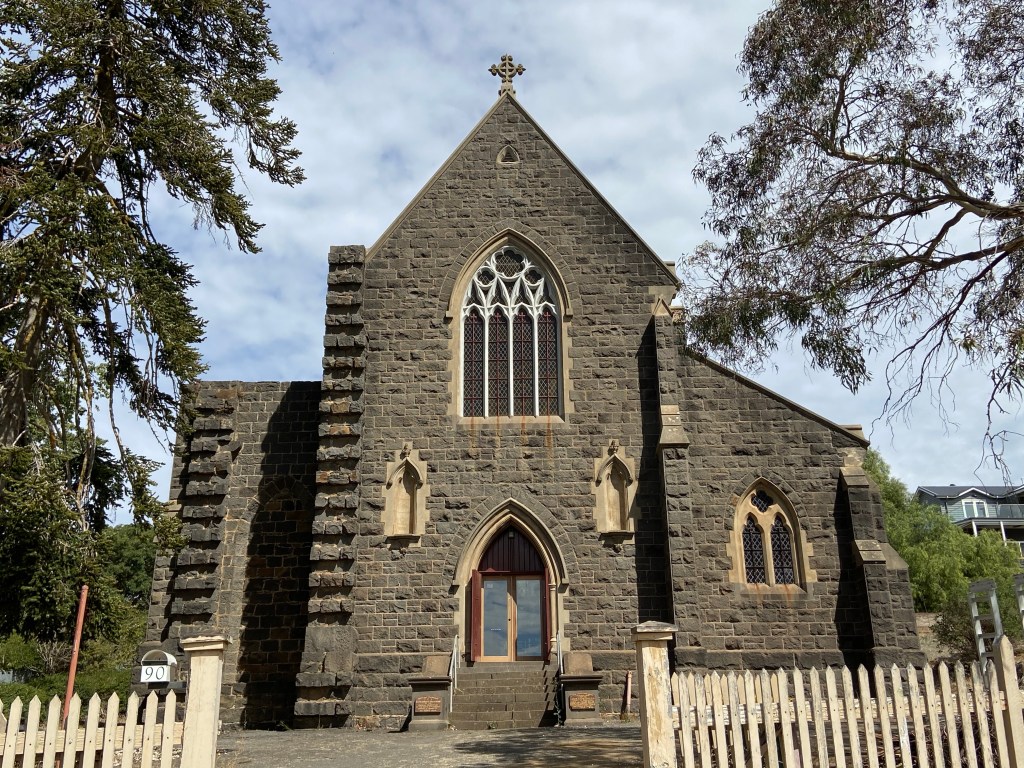
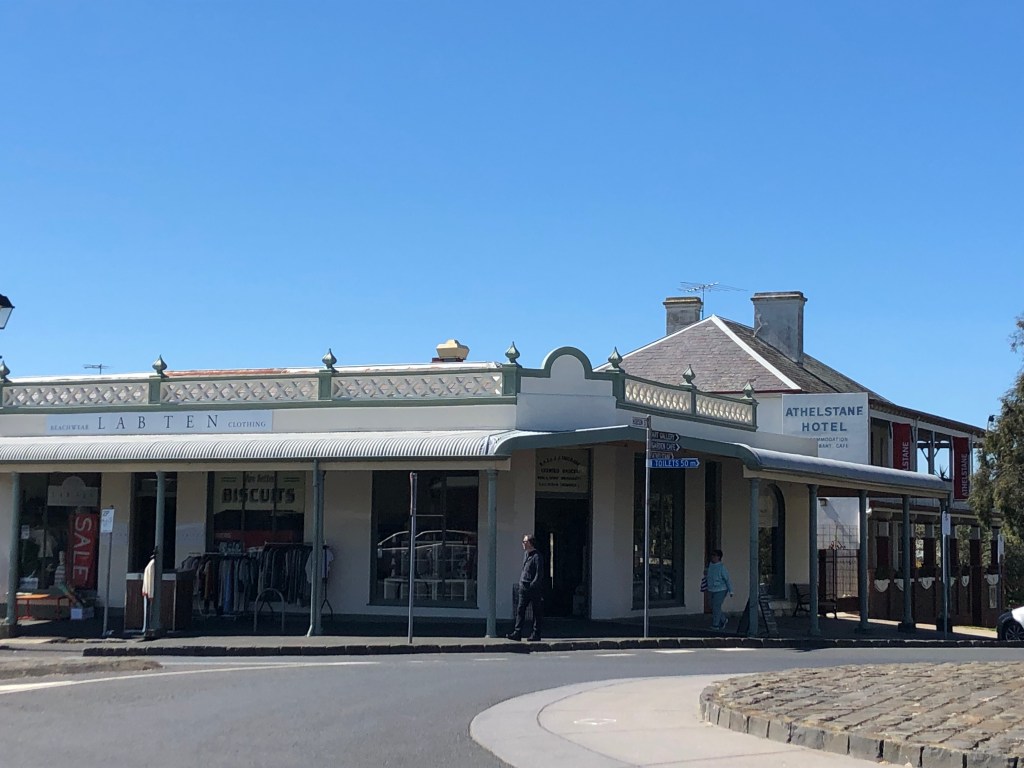
The heritage of the town is still visible in the lovely old buildings, homes and churches in the town. 
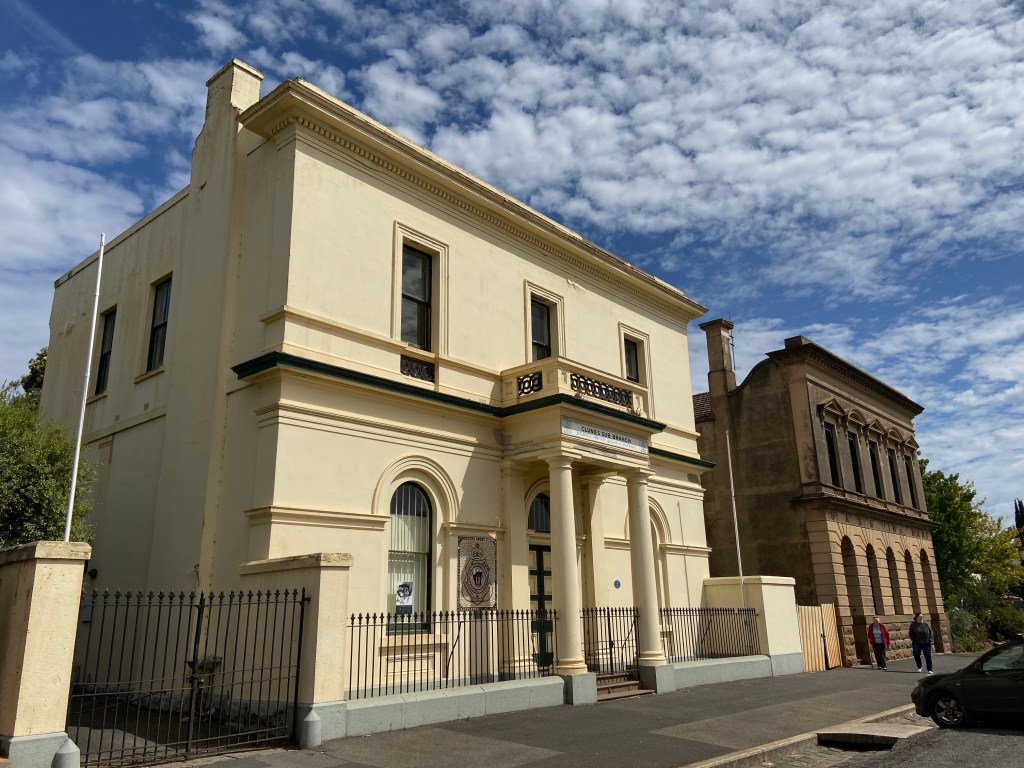
Clunes has more recently become known as “the Book Town of the Pyrenees” because of the annual book festival held there each year. Shop windows are decorated with a decal of books, giving the town a visual theme that promotes its new identity and adds a subtle but vivid touch to the traditional buildings and heritage colour schemes. 

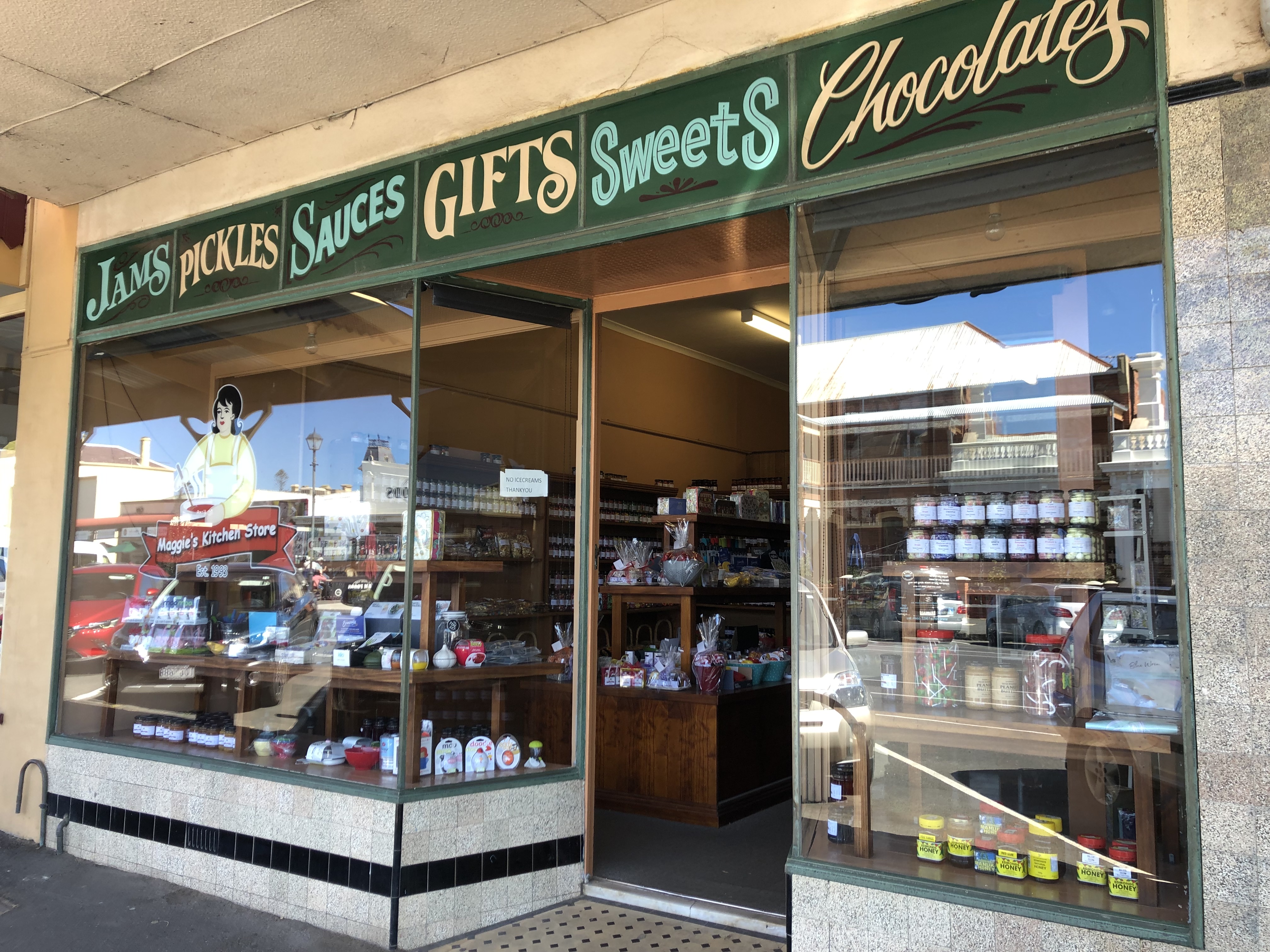
In addition to a number of second-hand, vintage and collectable book shops, Clunes also offers some lovely gift stores, a traditional green grocer’s store, an old fashioned lolly shop, cafes and bakeries, and antique and collectible stores. 

Our visit was just a short one, as we tacked it onto a trip we were already making, so I only managed to visit one book store while looking around town.
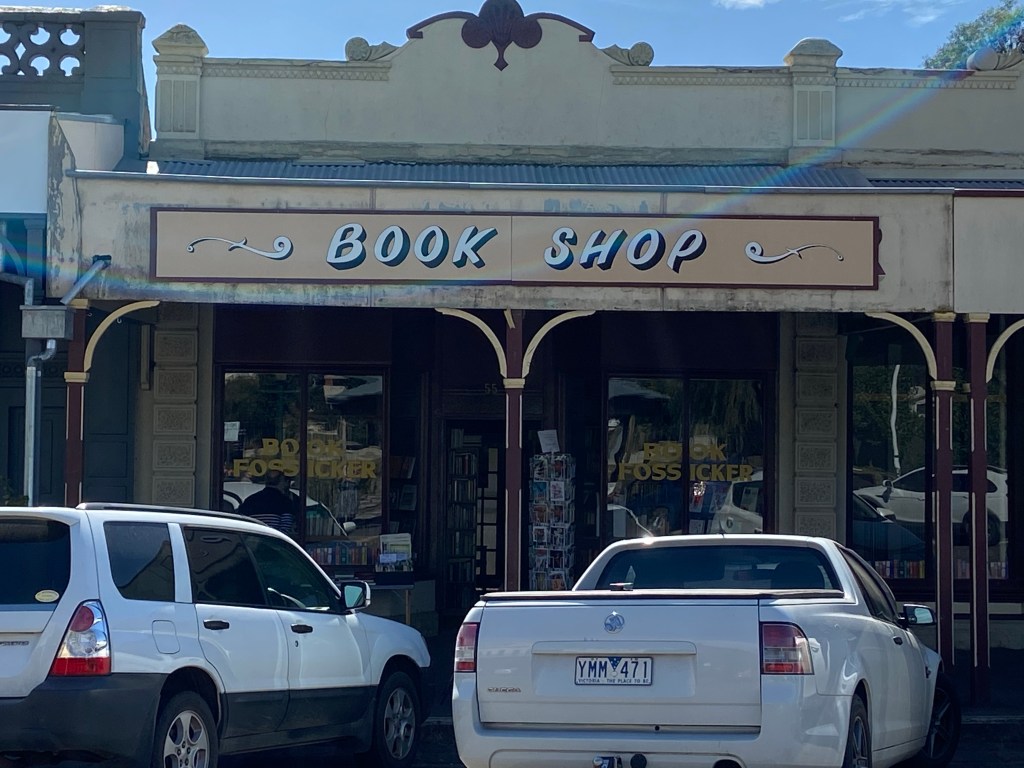
Of course, it is a very rare occasion that I venture into a bookstore without buying anything. This visit was not one of those occasions.

The next visit to Clunes most likely won’t be one of those occasions, either. It’s clear that I’m definitely going to have to plan a ‘Going On A Book Hunt’ visit to Clunes, because I spied at least four other bookshops that I want to browse in.

This video highlights some of the lovely spots in and around this gorgeous, bookish little town. Enjoy!
Buried History.

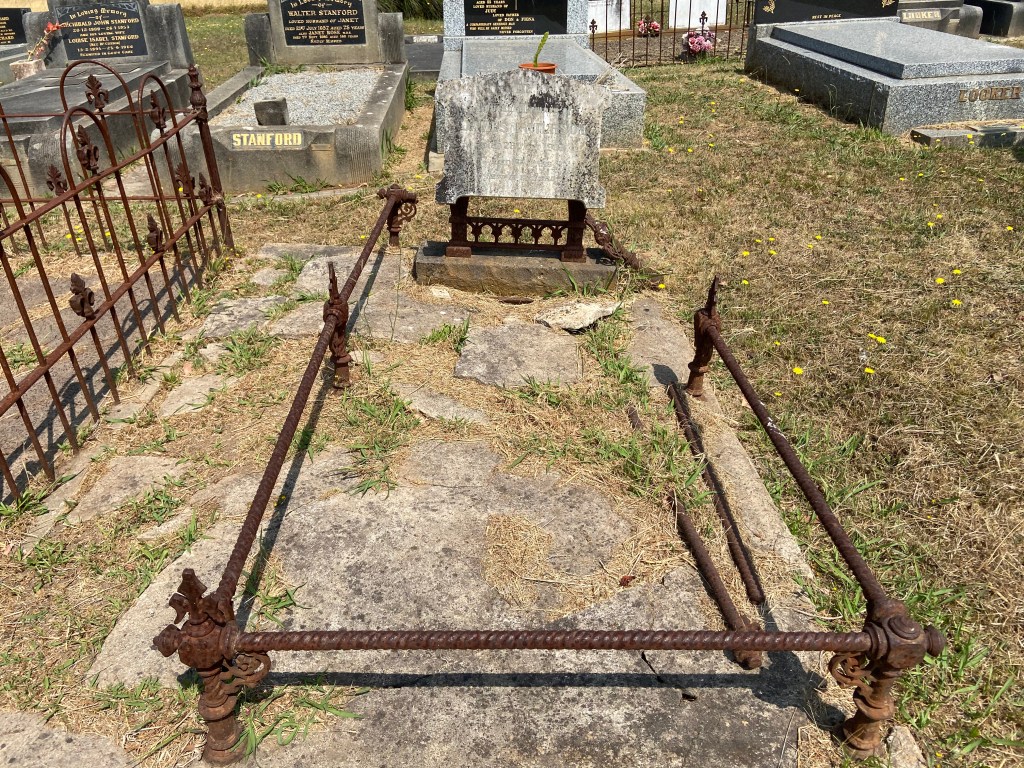
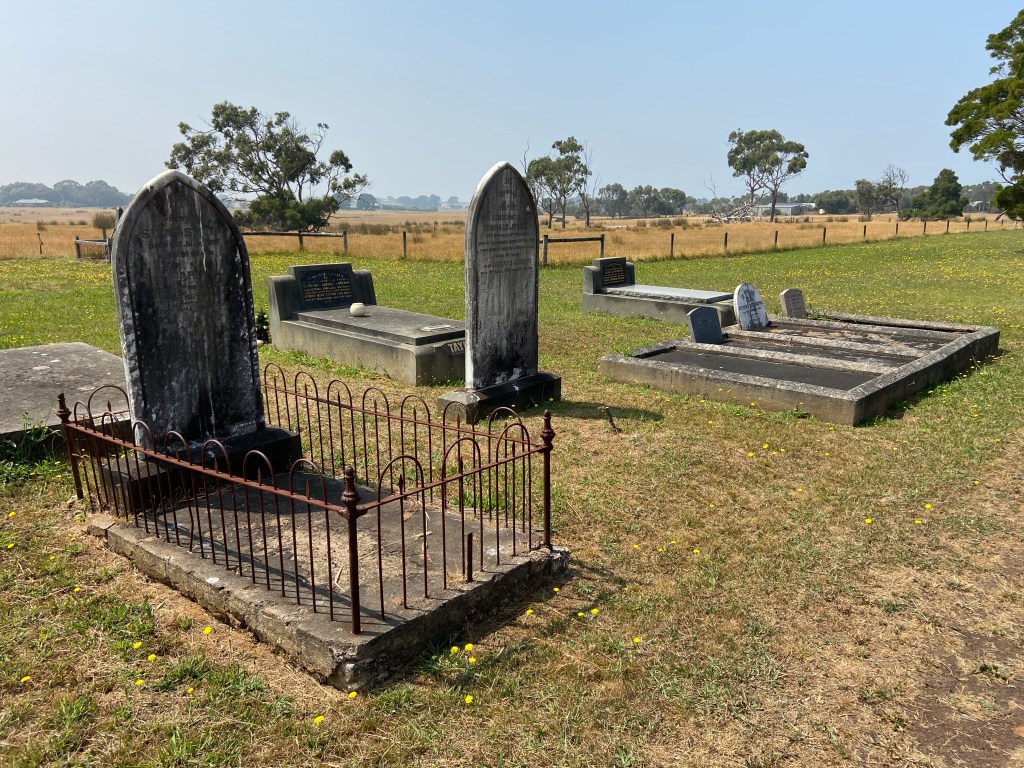
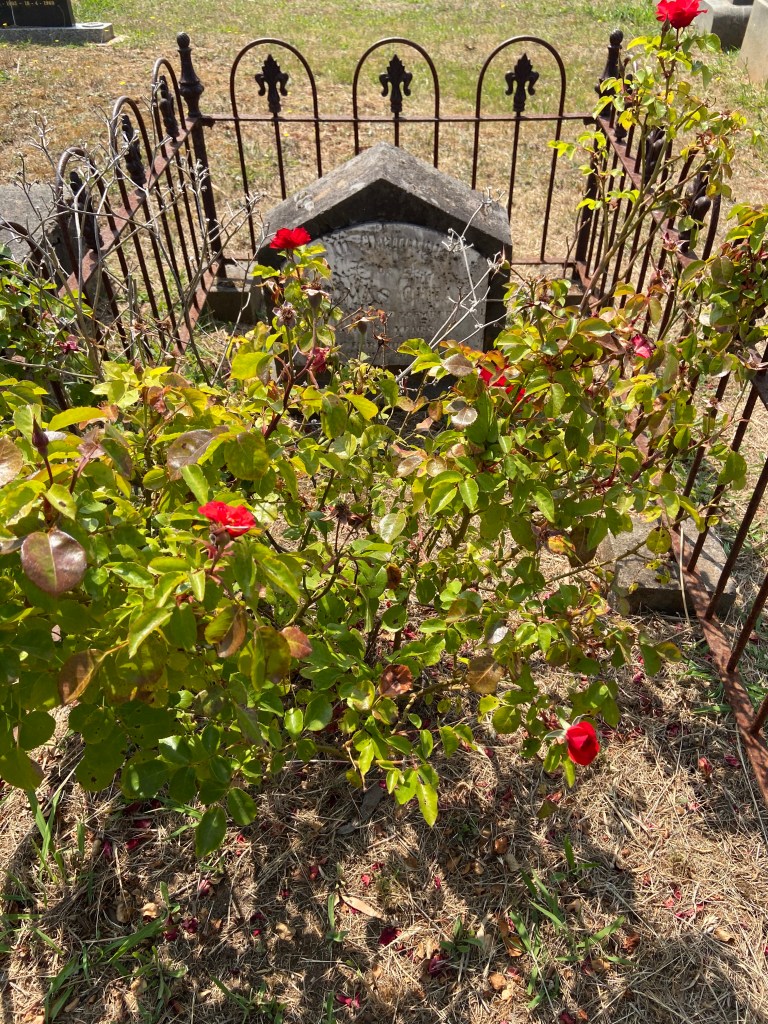
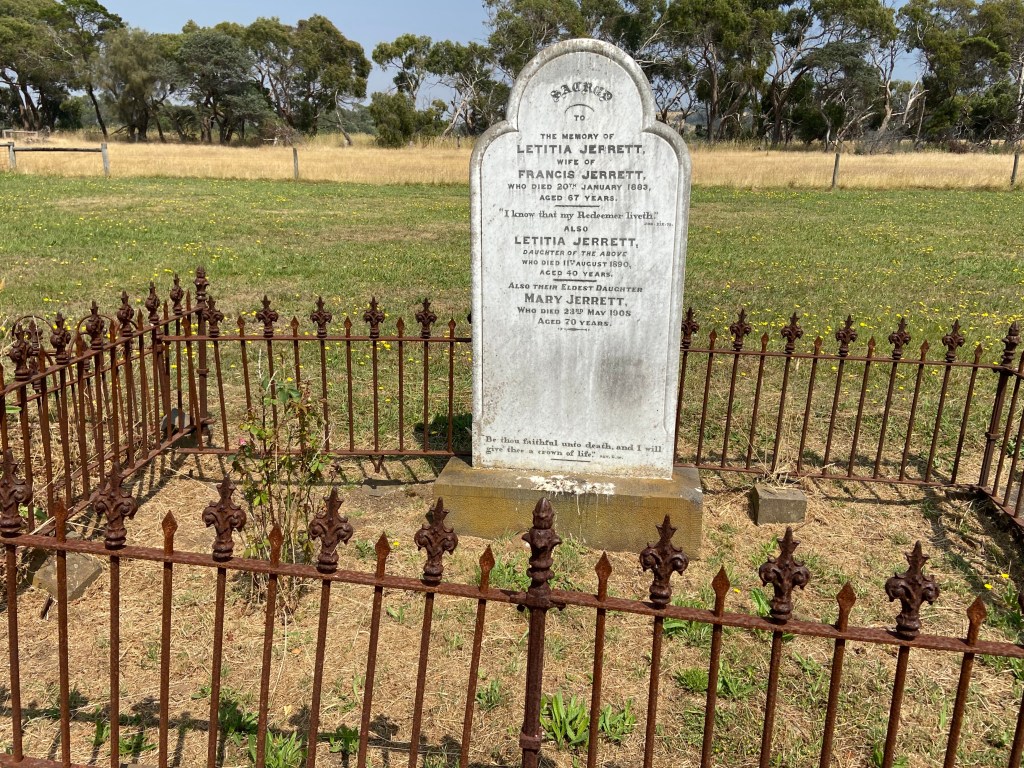
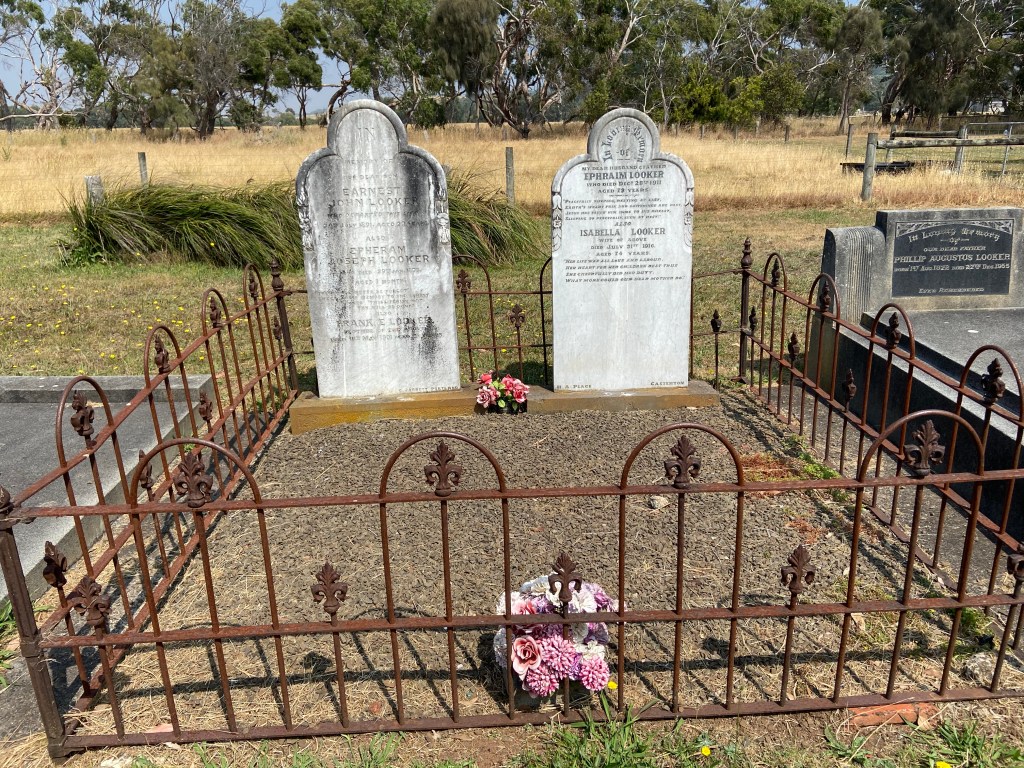
On our way back down the hill from the Sawpit camping area yesterday, we stopped at the Narrawong Cemetery, where there are some beautiful historic graves.

The rural setting is beautiful and tranquil, and I can’t help thinking it is a lovely spot to be laid to rest. 

It’s easy to see who were the founding and/or prominent families of the area, simply by observing the number of very old headstones bearing the same surname.

Separate from the other graves and marked by an obelisk rather than a headstone is the grave of William Dutton, who built the first house in Portland in 1828. Portland, now only about fifteen minutes’ drive away from Narrawong and the main city in the region, is the oldest European permanent settlement in Victoria.

Dutton died in Narrawong in 1878 at the age of 67, having made a name for himself as a master mariner, sealer, whaler and farmer. 

References:

William Dutton: Australian Dictionary of Biography
http://adb.anu.edu.au/biography/dutton-william-2011

Portland: A Short History
http://www.visitportland.com.au/portland-a-short-history/

Oh, I Do Love To Be Beside The Seaside: Queenscliff, Victoria

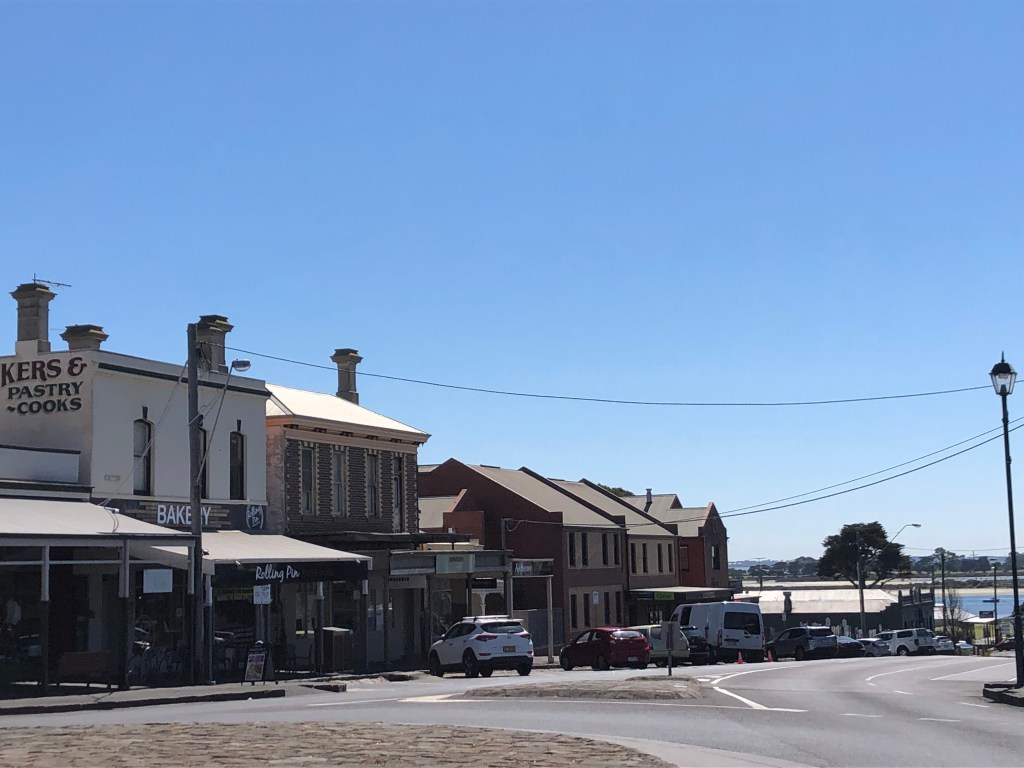
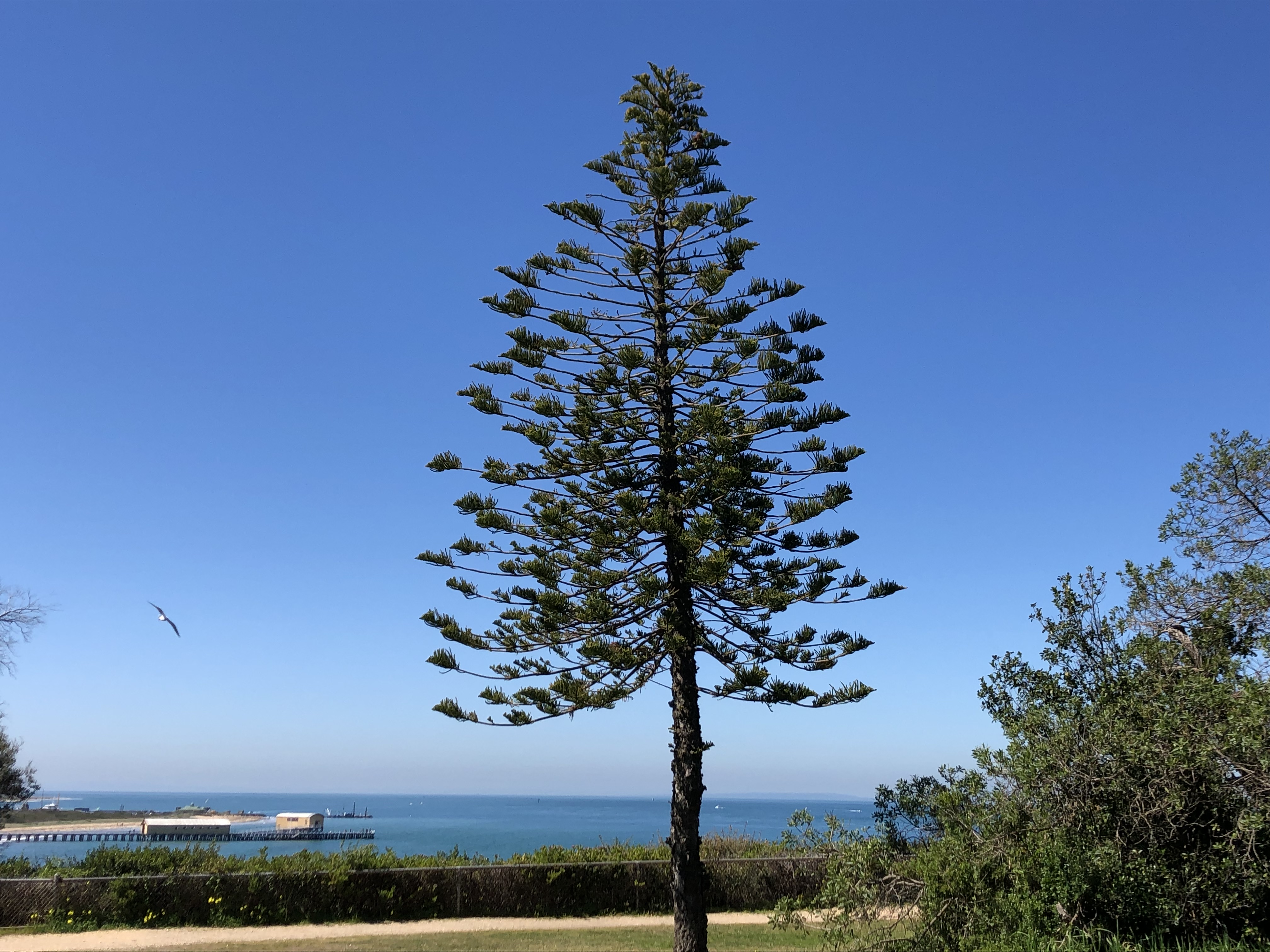
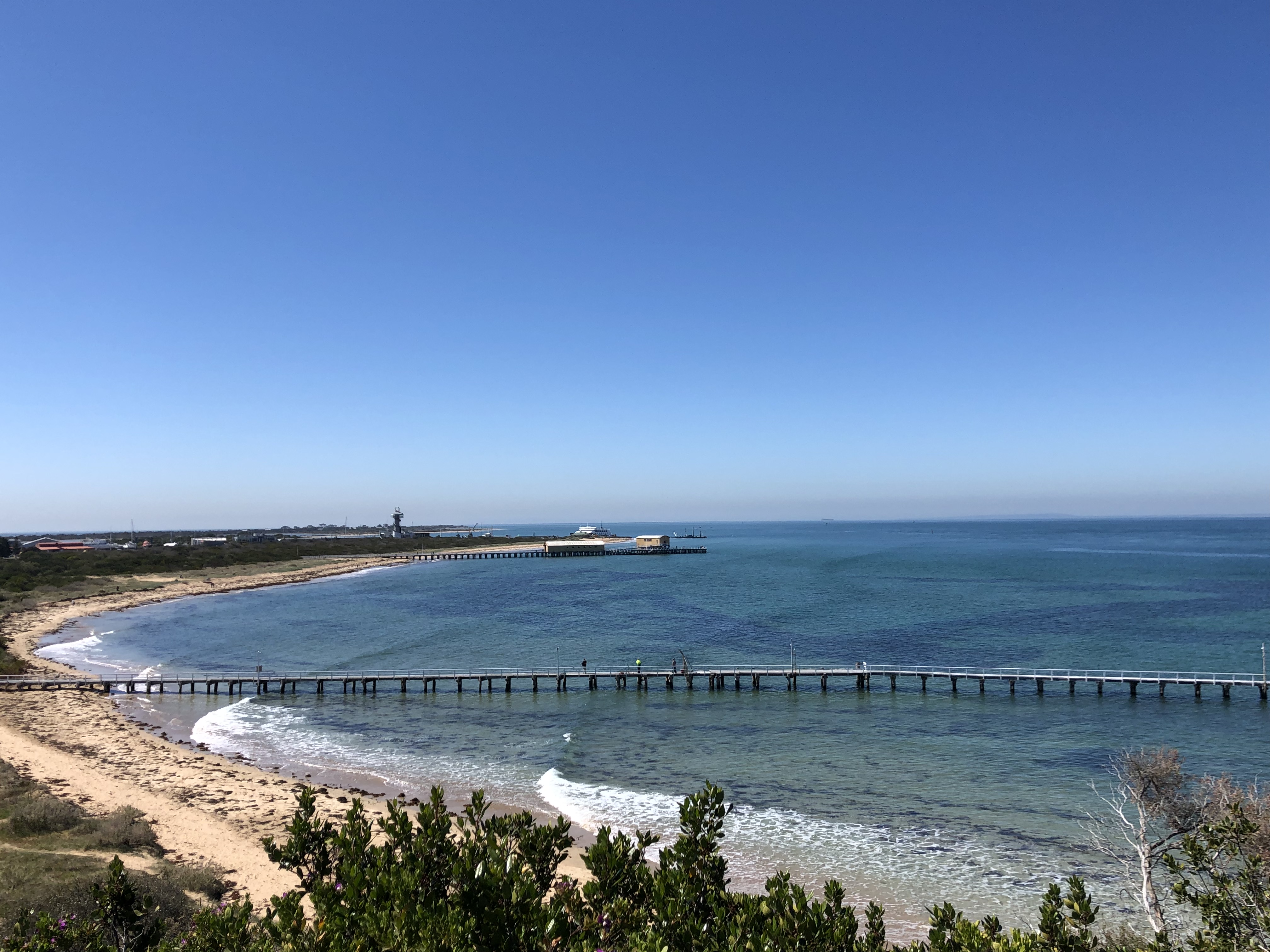
Queenscliff is a town on the southern end of the Bellarine Peninsula, near where Port Phillip Bay enters Bass Strait. 

Queenscliff has a lovely small-town feel to it, even though it’s only a half hour’s drive from Geelong. There is a very real sense of leaving the rat-race behind and stepping into a friendlier, more relaxing existence.

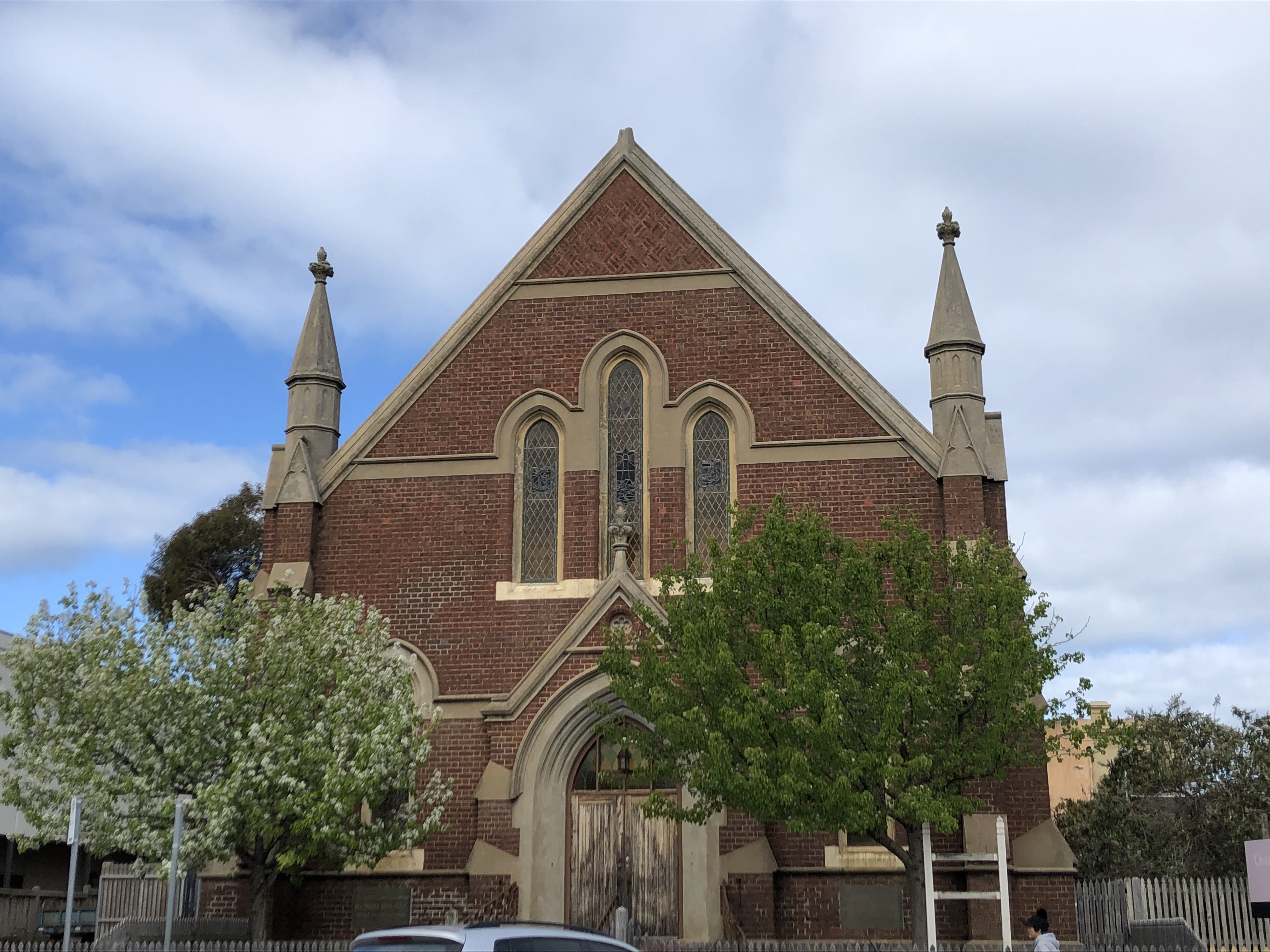
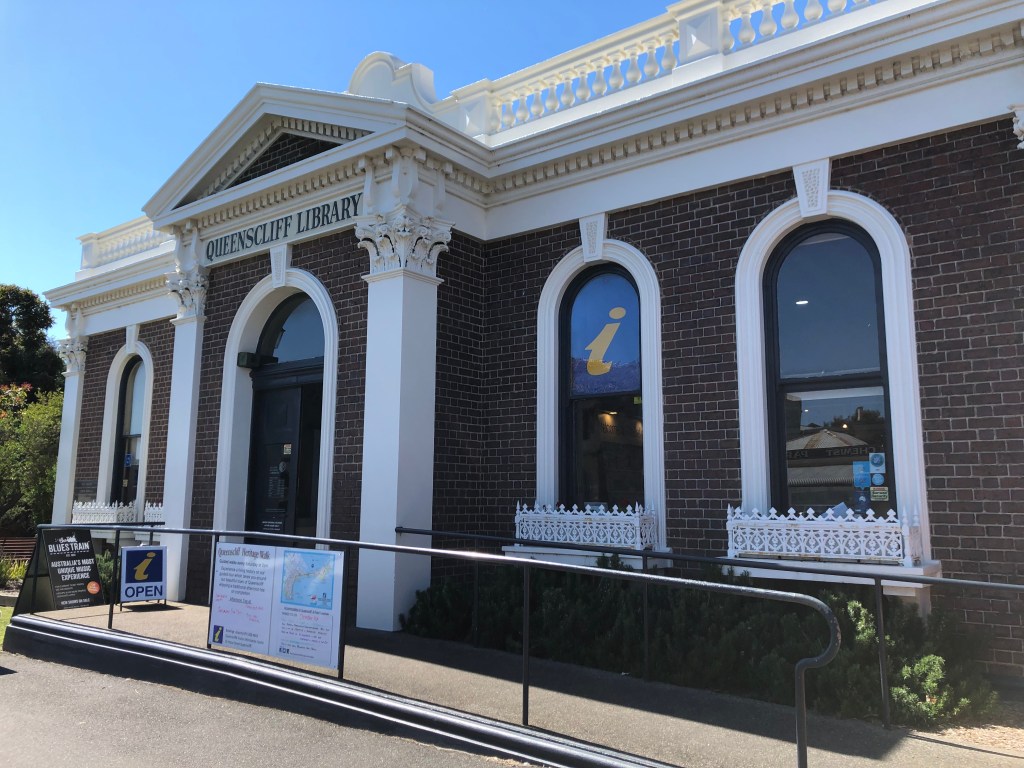
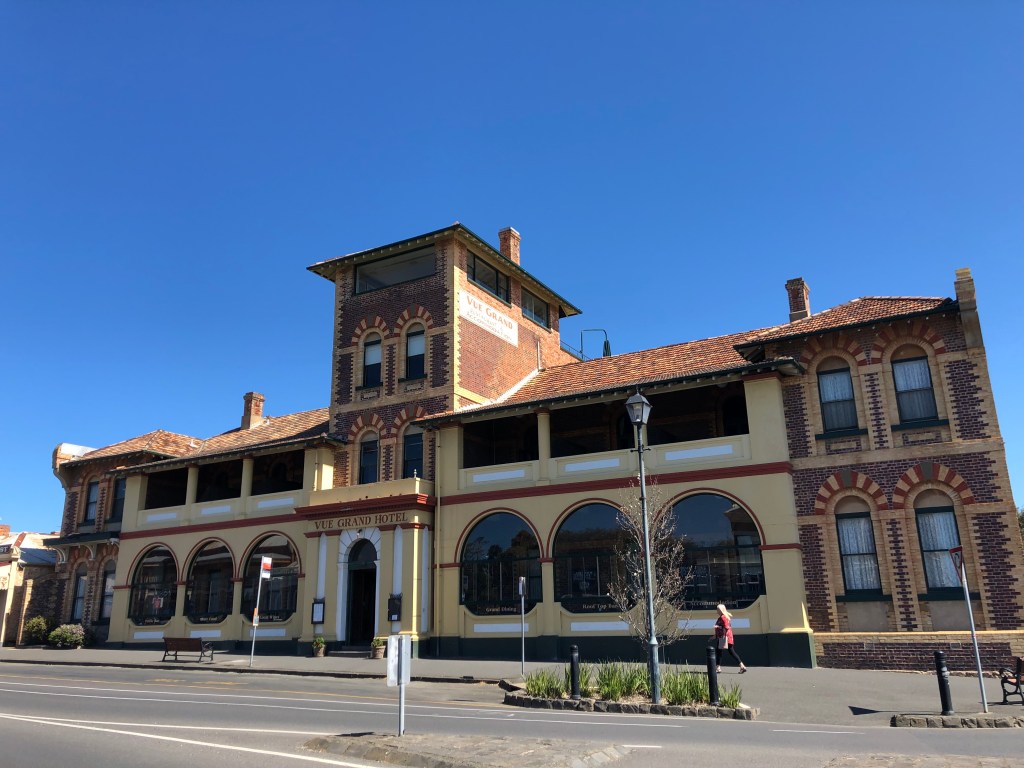
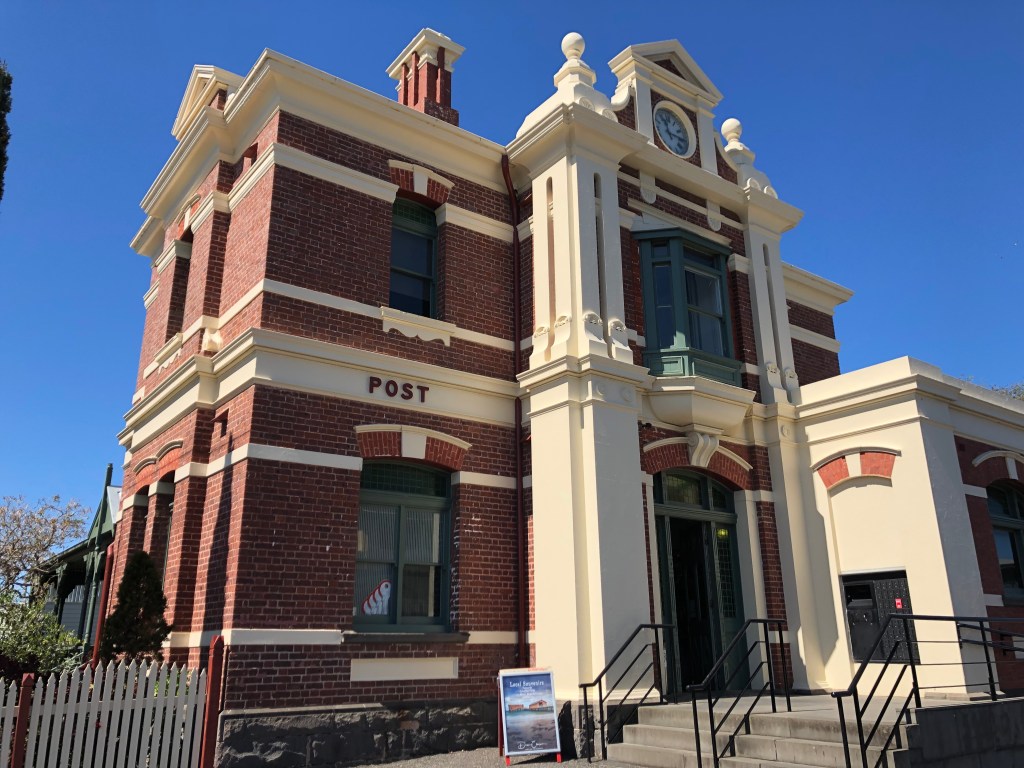
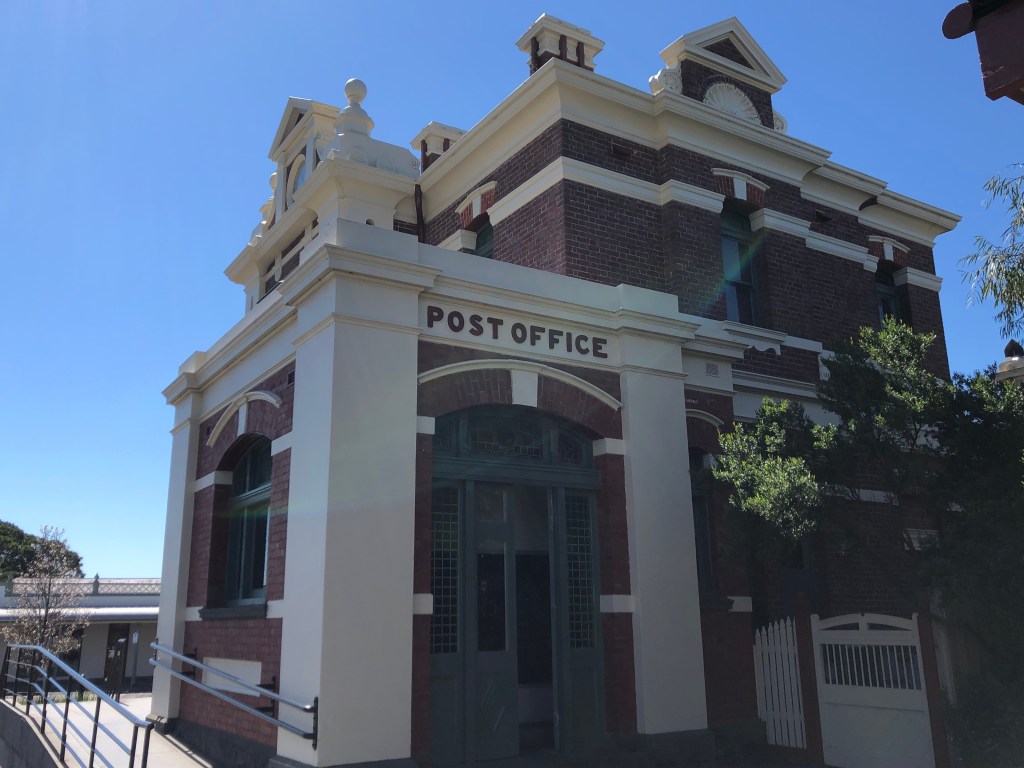
It is a town with lovely old buildings and churches, and a wide main street lined with boutique shops, cafes and restaurants, including two ice-cream parlours, two old-fashioned candy stores and — best of all — two book shops!

On the cliff above the beach is a lighthouse built from local basalt in 1881, and a historic fort that is still in use as the base of the Air Force Cadets.

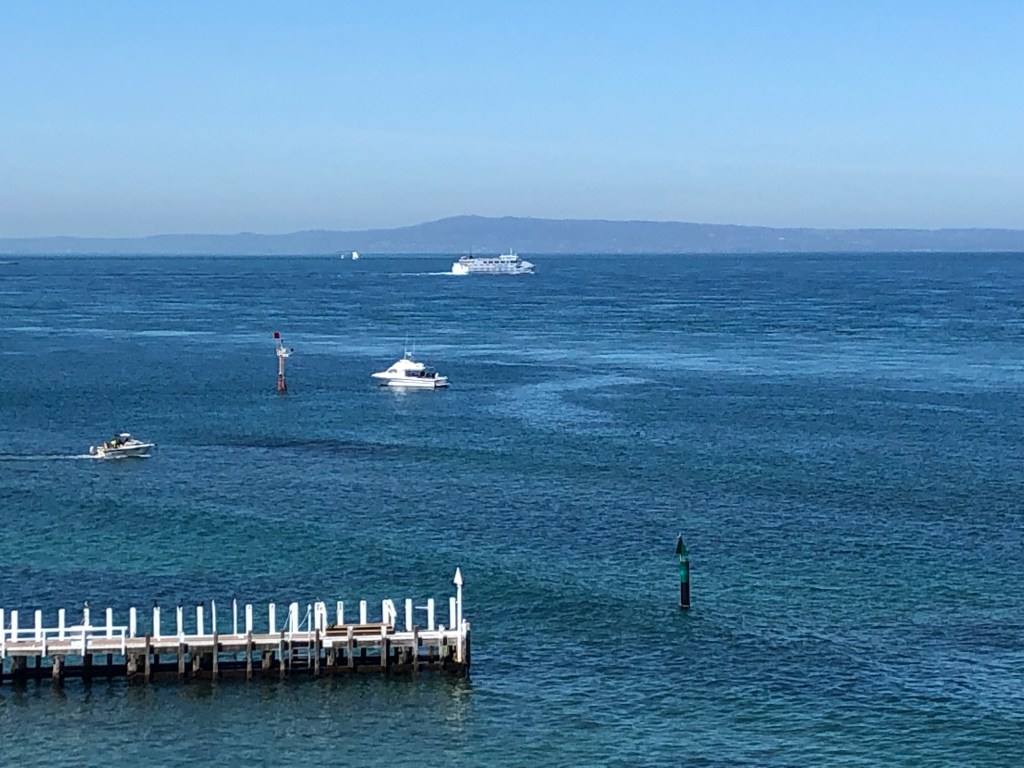
There are some great spots to sit and watch the boats, including the ferry to Sorrento at the southern end of the Mornington Peninsula, just across the bay.

It really is a delightful spot, and I am already keen to visit again.