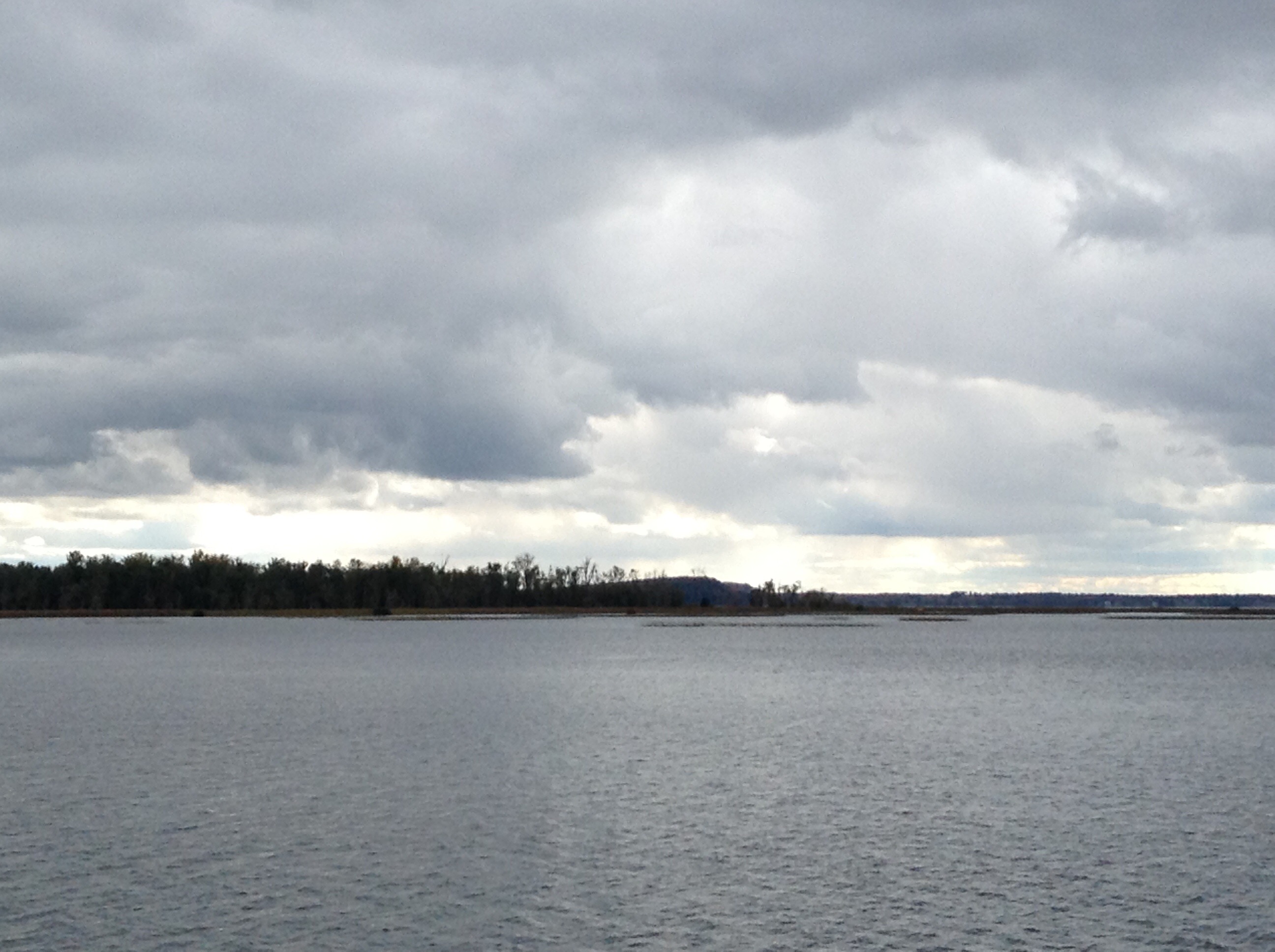
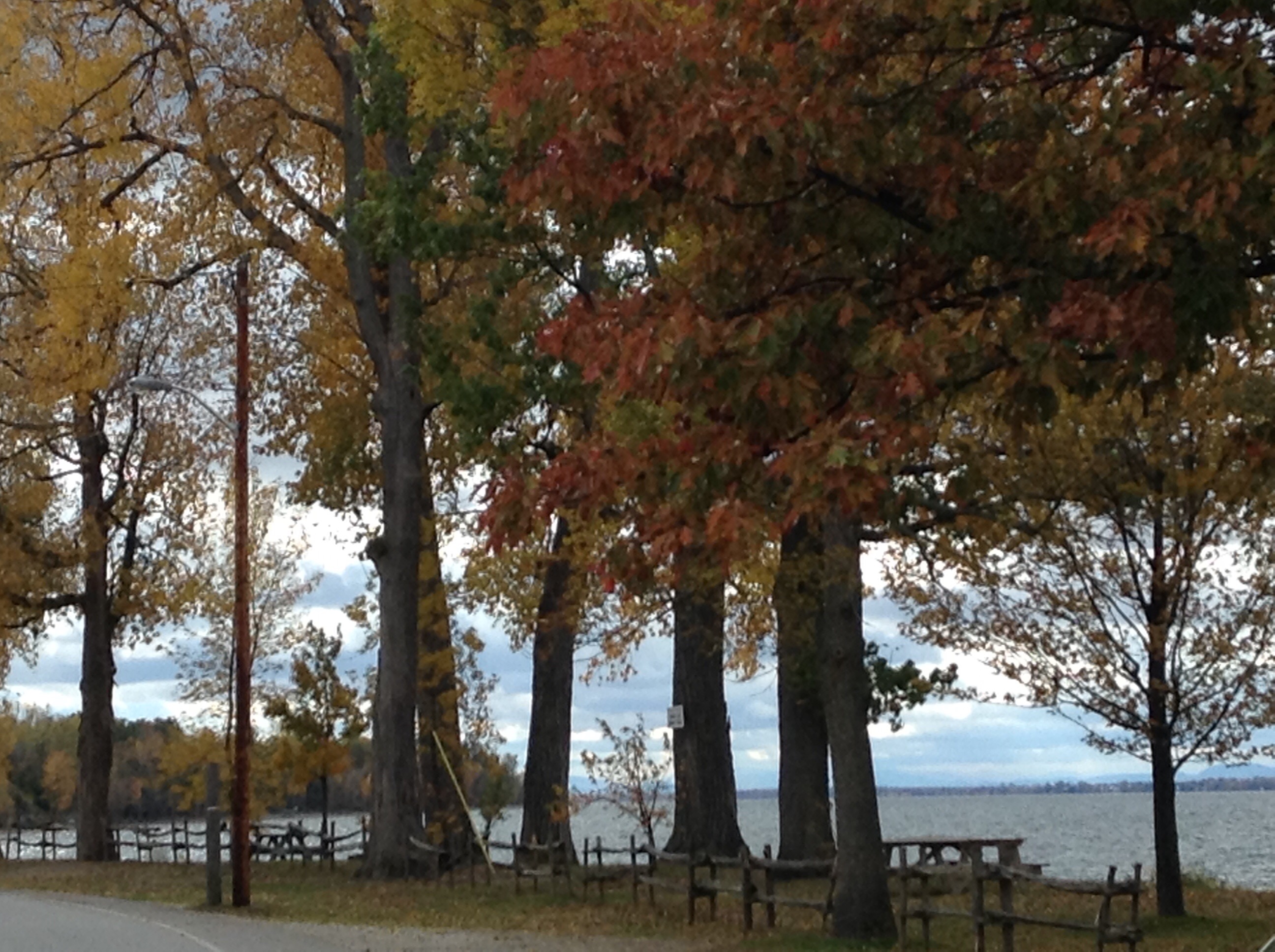
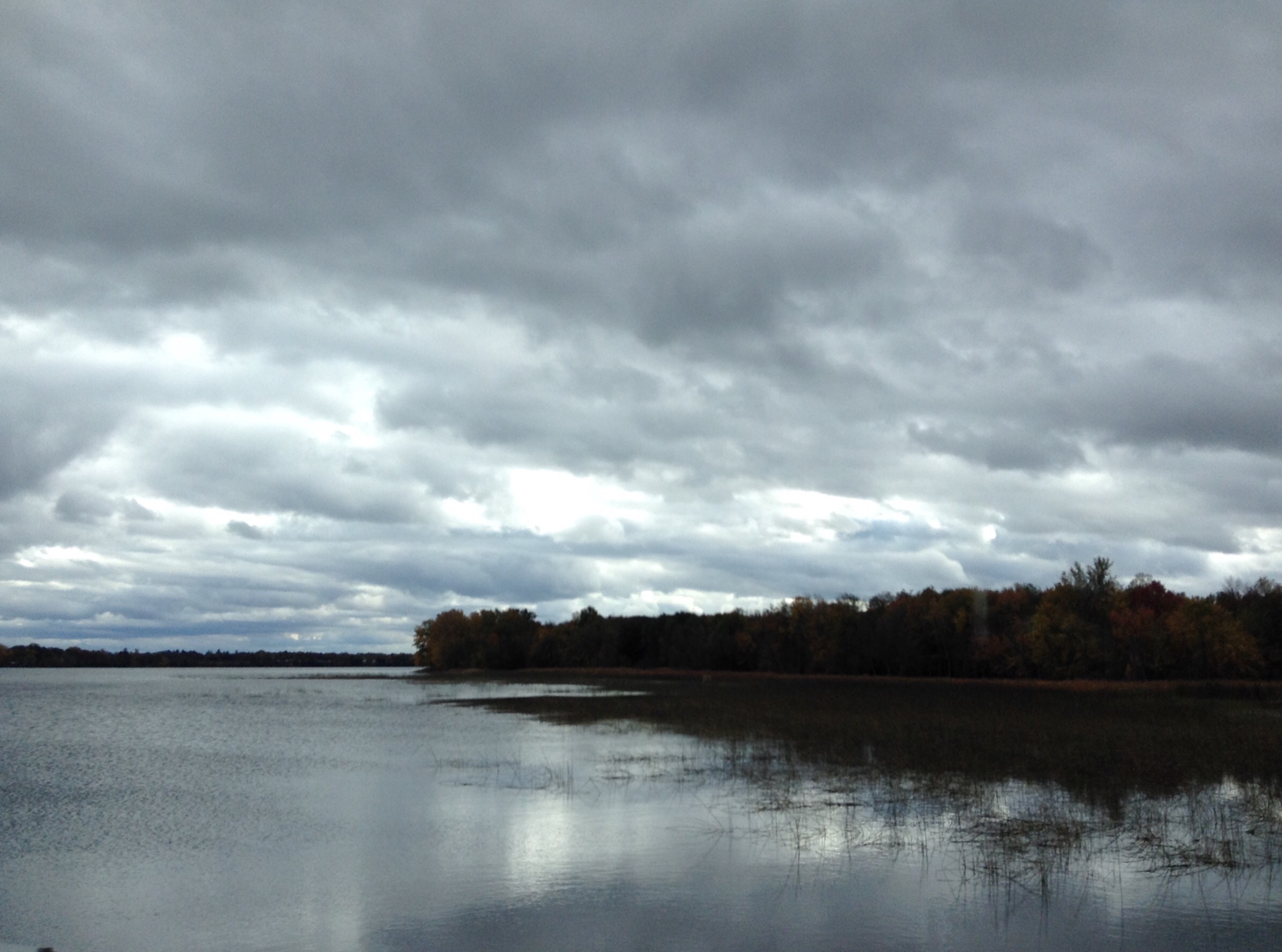
The Islands of Lake Champlain, Vermont. 

Lake Champlain is North Anerica’s sixth-biggest lake. Within  the lake, on the Vermont/New York side of the Canadian border, lie a number of islands that were first seen by European eyes in 1609 when Samuel de Champlain led an exploratory expedition through the area. 
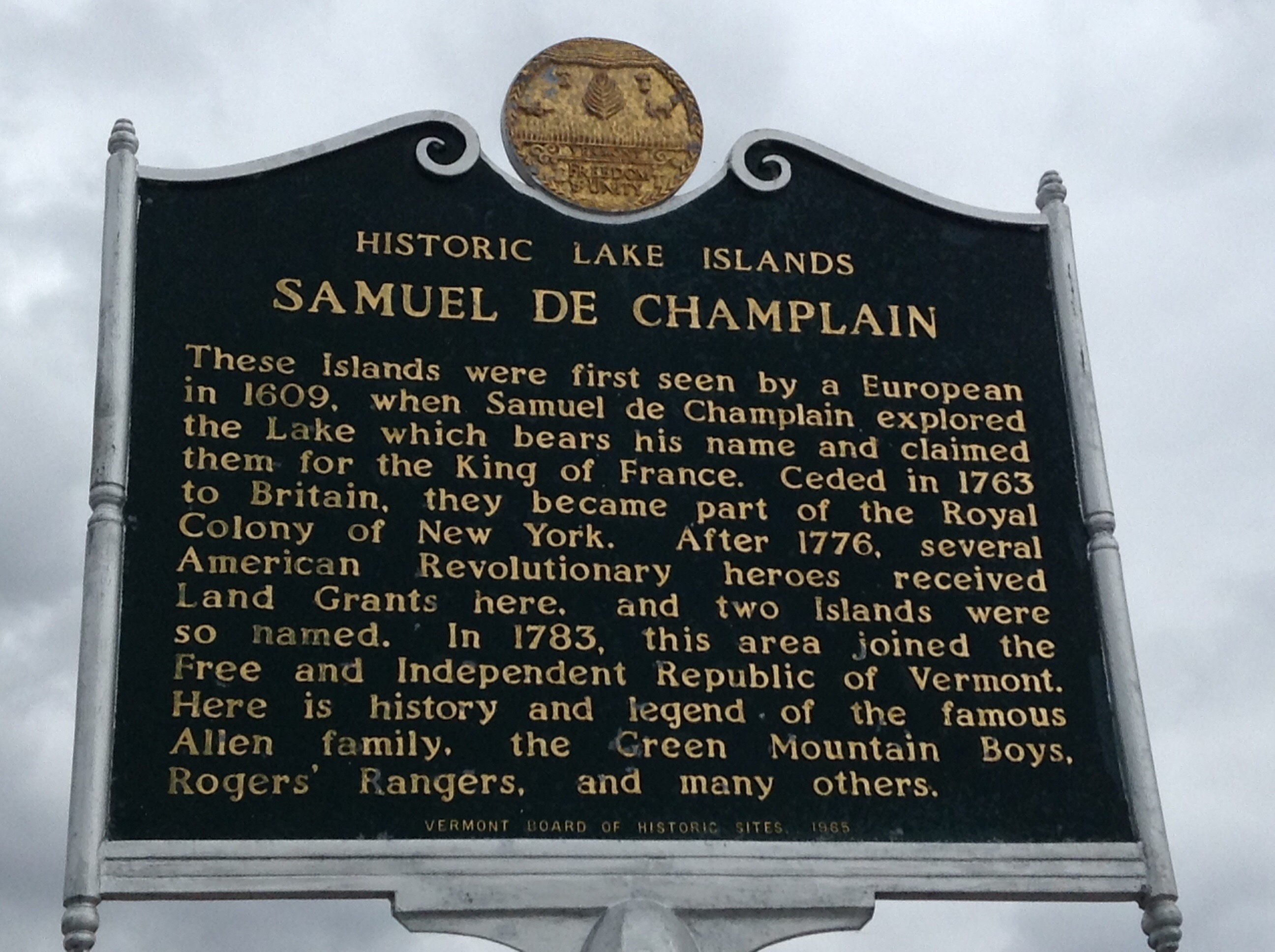
   
   
The islands are joined by bridges and a causeway which make touring the islands very easy.  The scenery is gorgeous, and there are lots of interesting places to explore. Tourists can explore military history, gourmet food and wine, walking or cycling paths, and number of towns seeking to attract tourists with different places to stay and things to do. 

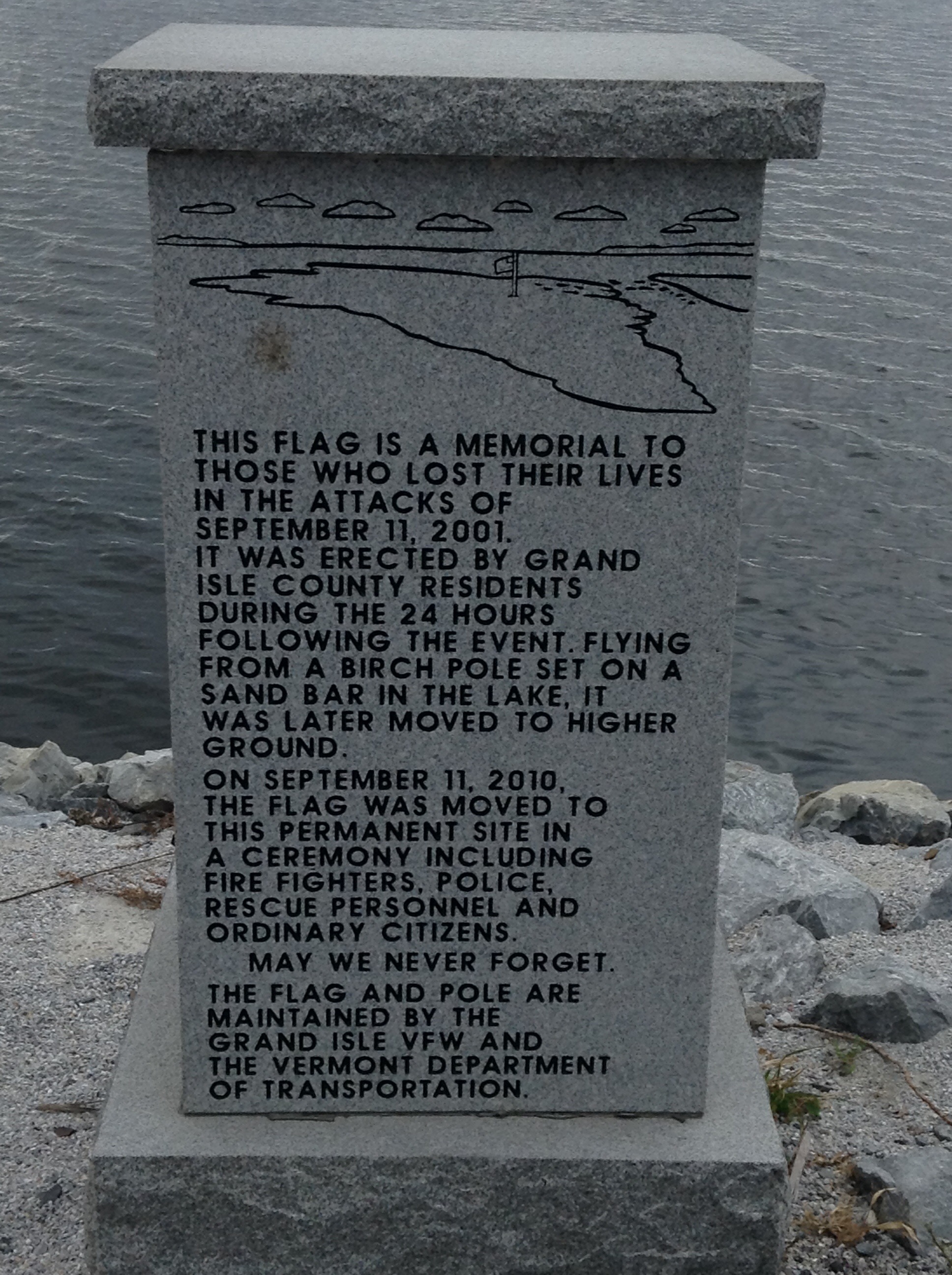
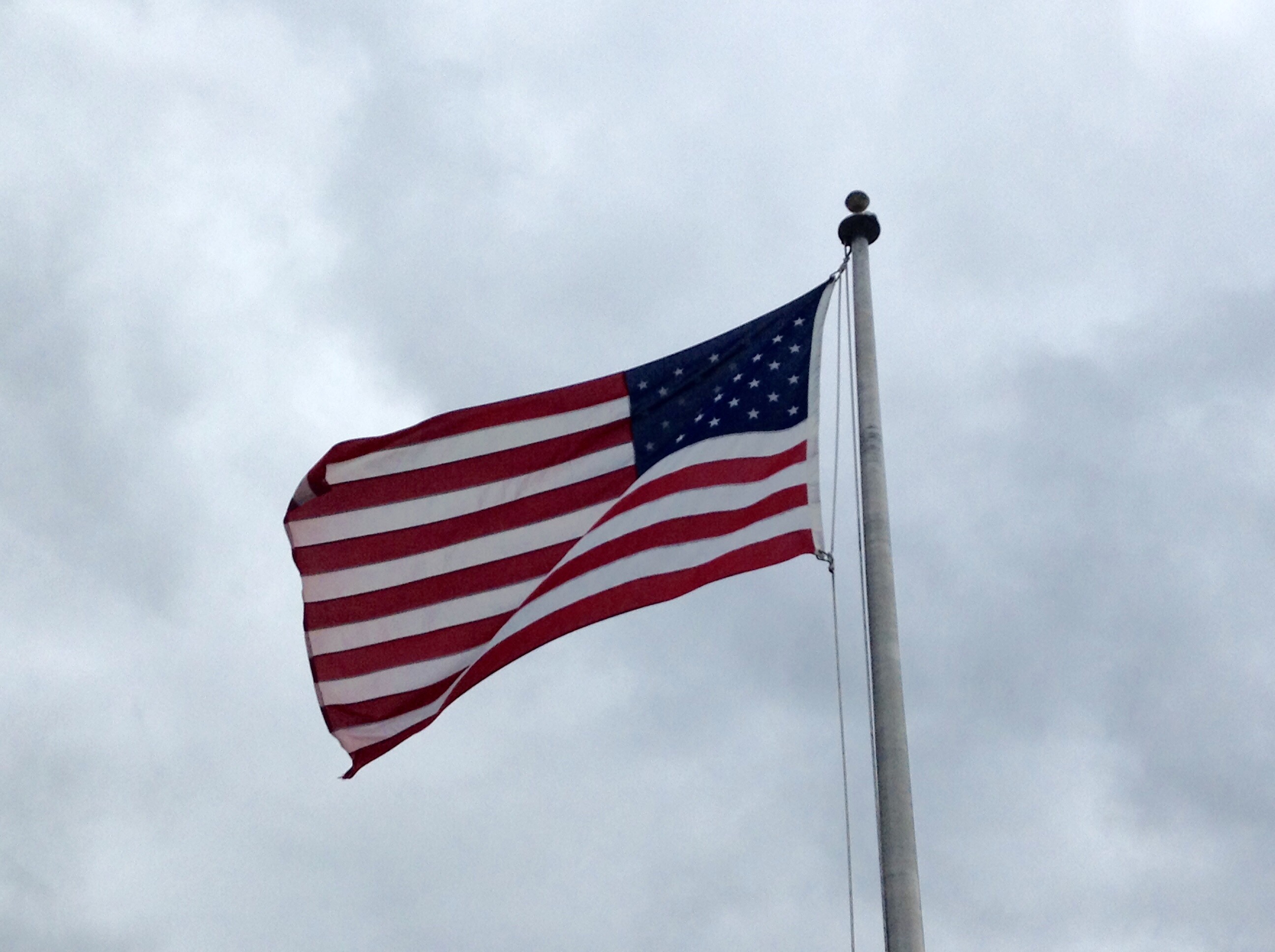
On the Causeway to Grand Isle is an American flag and a monument to the victims of 9/11 and to the American veterans of foreign wars. 
   
   
From this point, you can look west and see the shoreline of New York State and the Adirondack Mountains, and you can look east and see the Vermont shoreline and mountains in the distance. Further north, the lake crosses the Canadian border into Quebec. 
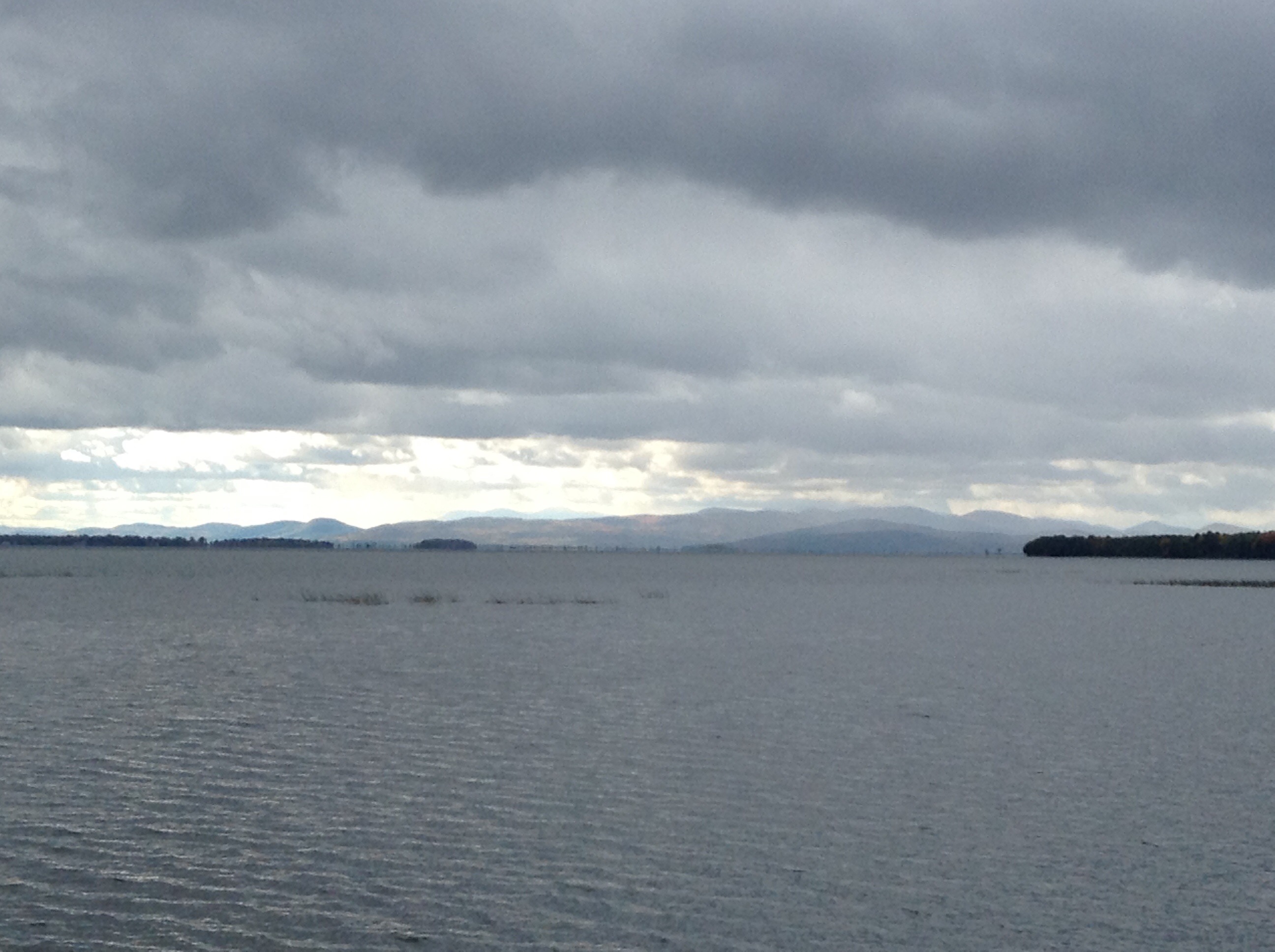
 

It’s no surprise, then, that Isle La Motte, South Hero, Grand Isle, North Hero, Valcour and the remaining islands all served as important vantage points in battles between American and Canadian/British forces during the War of 1812. 

If for no other reason, the Islands are well worth a visit just because it’s a really pretty drive along the lake shore. 


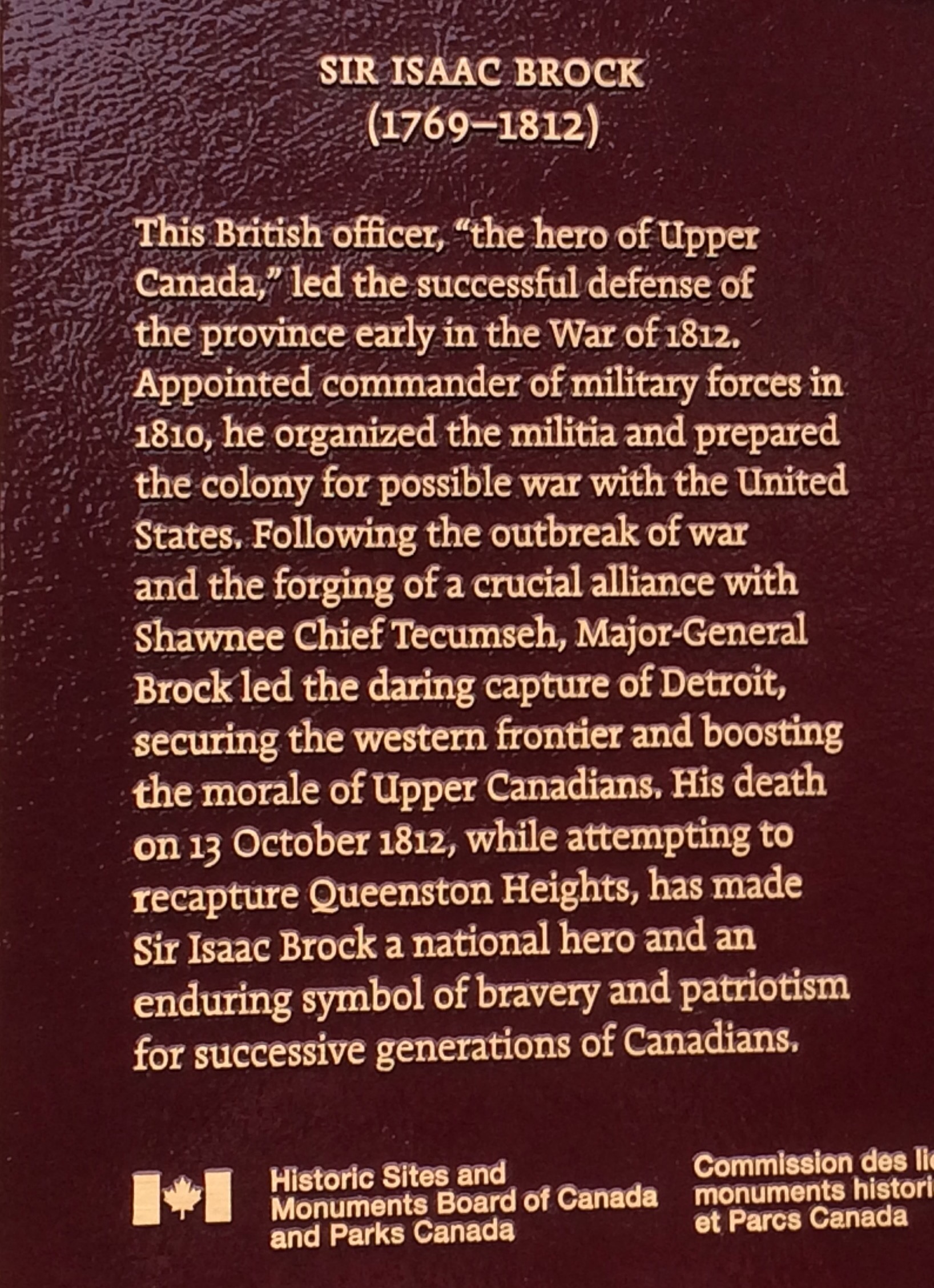
Isaac Brock’s Monument, and why he has it.

Major-General Sir Isaac Brock was a British military commander who was appointed as president of the executive council of Upper Canada. He probably was “the very model of a modern Major-General” in 1812 when war broke out between the British and the Americans, and Canada turned into a very conveniently placed battleground. 

Brock had achieved an excellent outcome at Detroit, which involved getting the Americans under the command of Major-General Hull to surrender and hand over a bunch of really cool stuff, such as their fort, their soldiers, their weapons and ammunition, their supplies, and the territory of Michigan. Not a bad day’s work, when you stop to think about it. 

In the Battle of Queenston Heights, the prize was control of the highly strategic Niagara River. If the Americans could win that, they would have a stranglehold on the Canadian supply lines. 

The Americans attacked while Brock was asleep in bed at Fort George, but as soon as he was woken with the news, he bolted right over to Queenston Heights and led his forces with great bravery and determination. 

Brock was shot in the chest and died without saying any of the brave words that have since been attributed to him. I suppose it’s hard to come up with something as poetic as “Push on, brave York volunteers” when you’re busy dying almost instantly from a great ripping wound in your chest. 

He may have lost that particular battle, but thankfully the British and Canada won the war. 

Brock was buried at Fort George, but in 1824 his remains were moved to a site at the top of Queenston Heights where stands a monument to his bravery, achievements and general derring-do. 


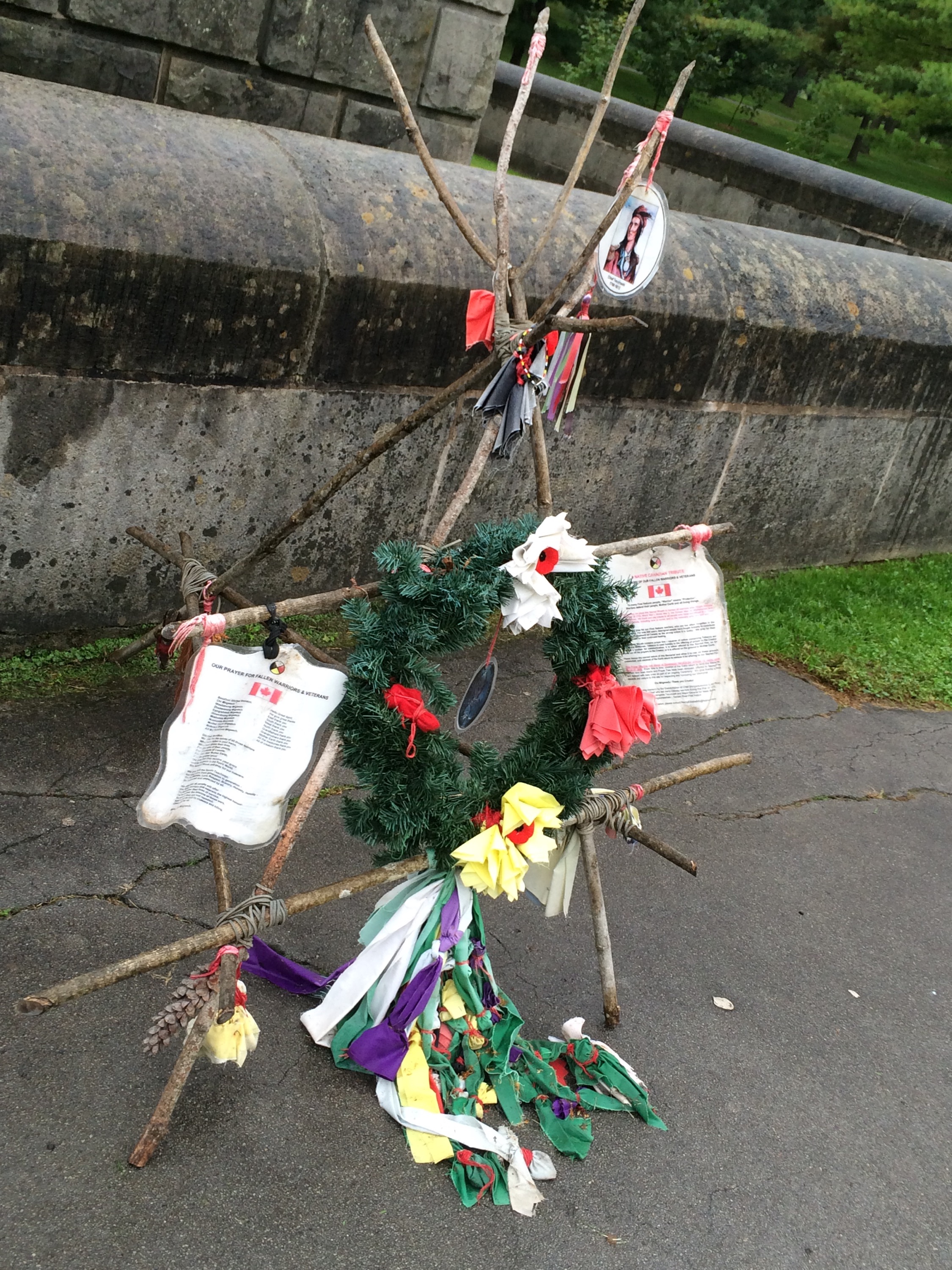
At the base of this grand monument is a First Nations monument to the native people who fought in the battle. Tecumseh was a very strong ally of Isaac Brock and many people of the Original Nations fought alongside the British as loyal Canadians. Many of these Warriors were buried on this same hill at Queenston Heights.


It’s not as grand as Brock’s memorial, but it is every bit as moving.