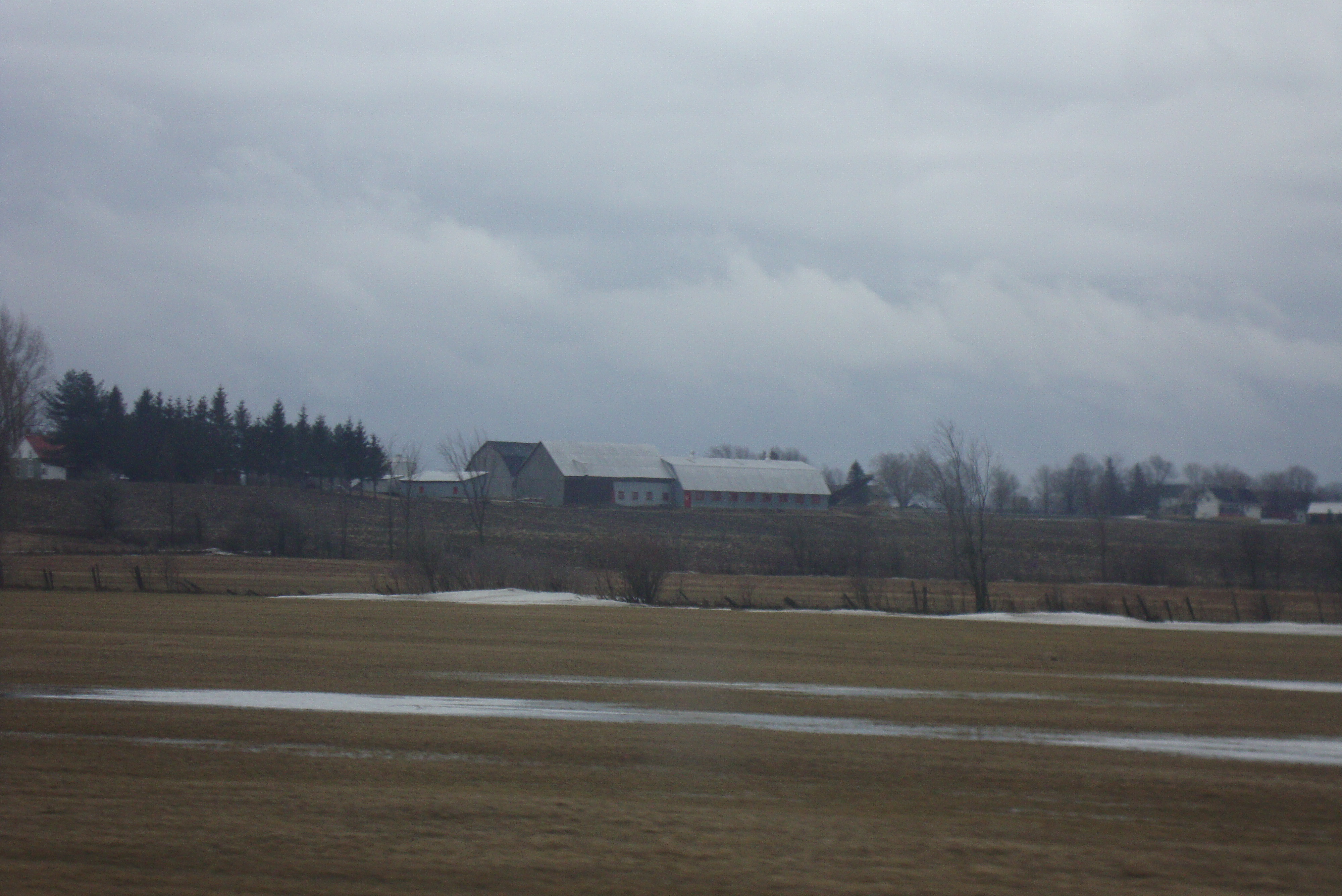
Eastern Townships, Quebec, Canada.

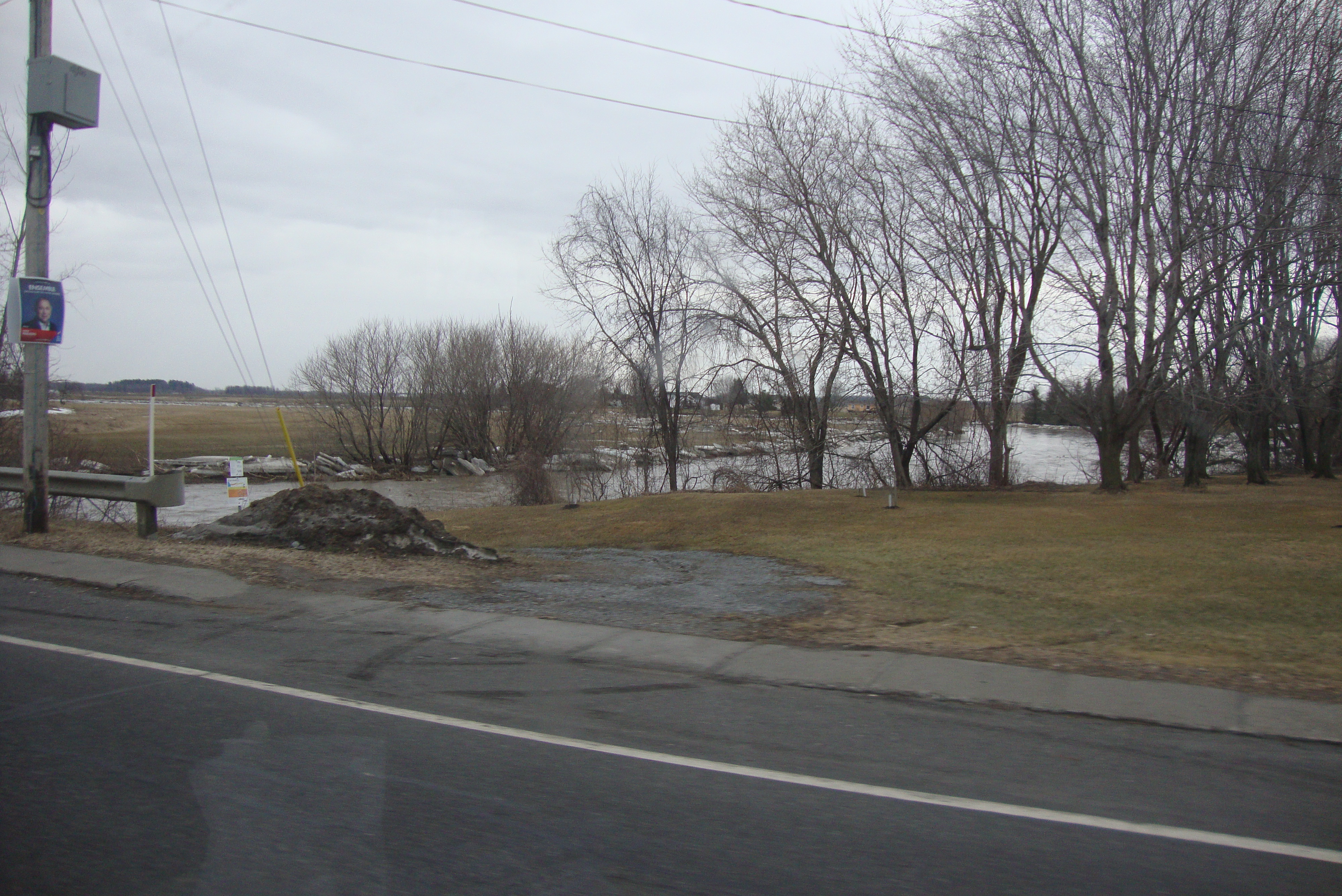
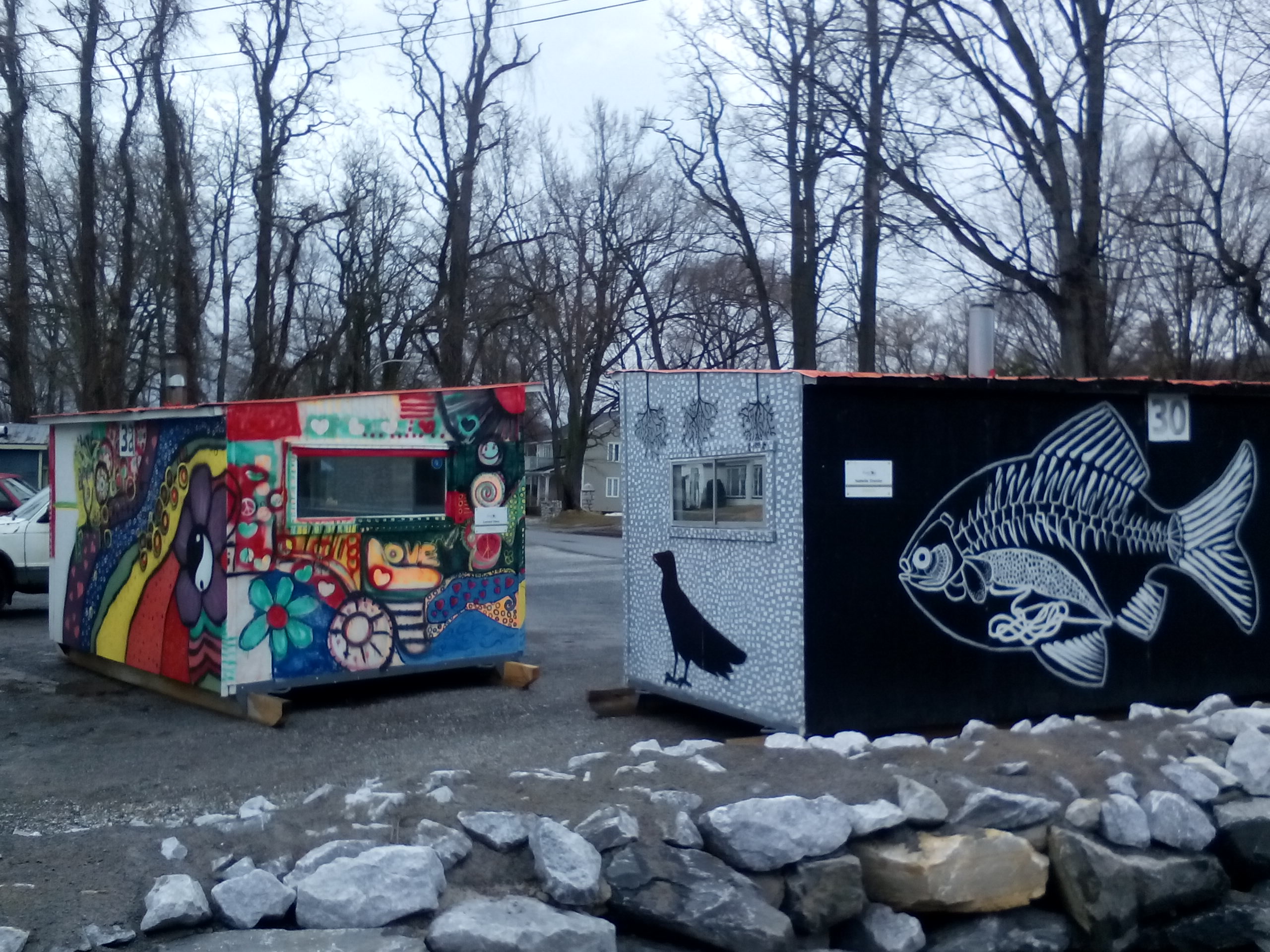
Pike River

Pike River DSC02921Pike River DSC02922

Pike River 2014-04-09 07.15.10

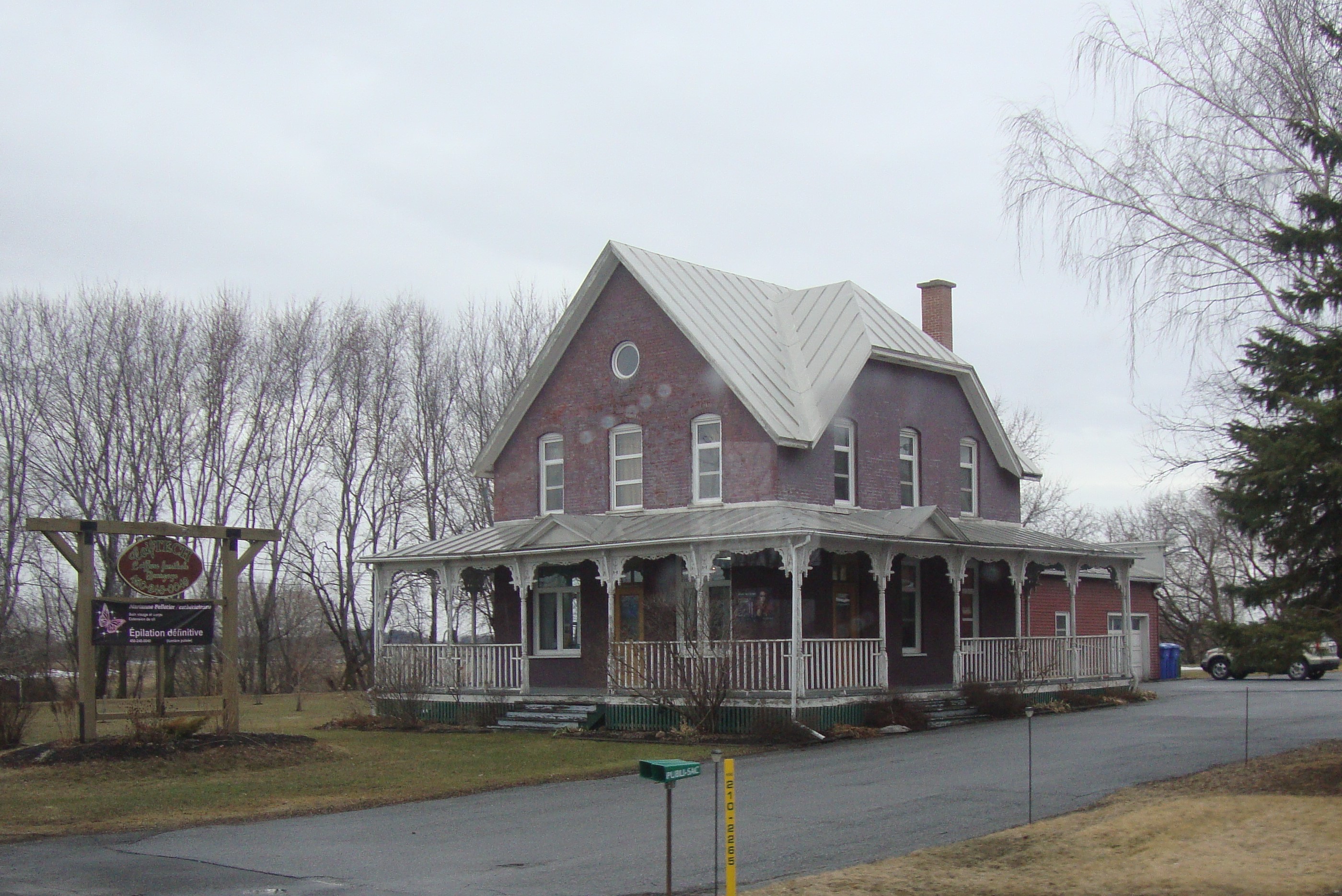
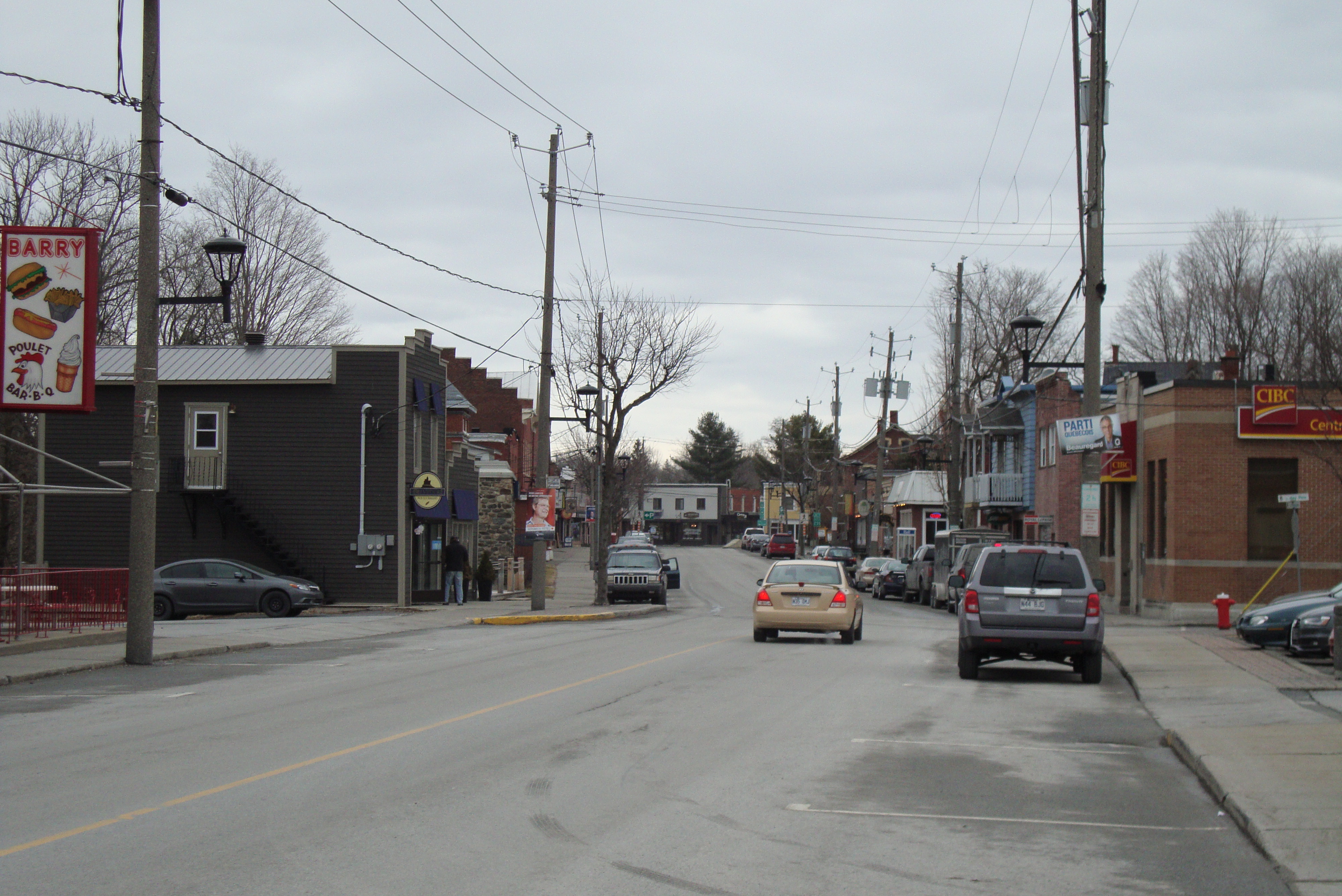
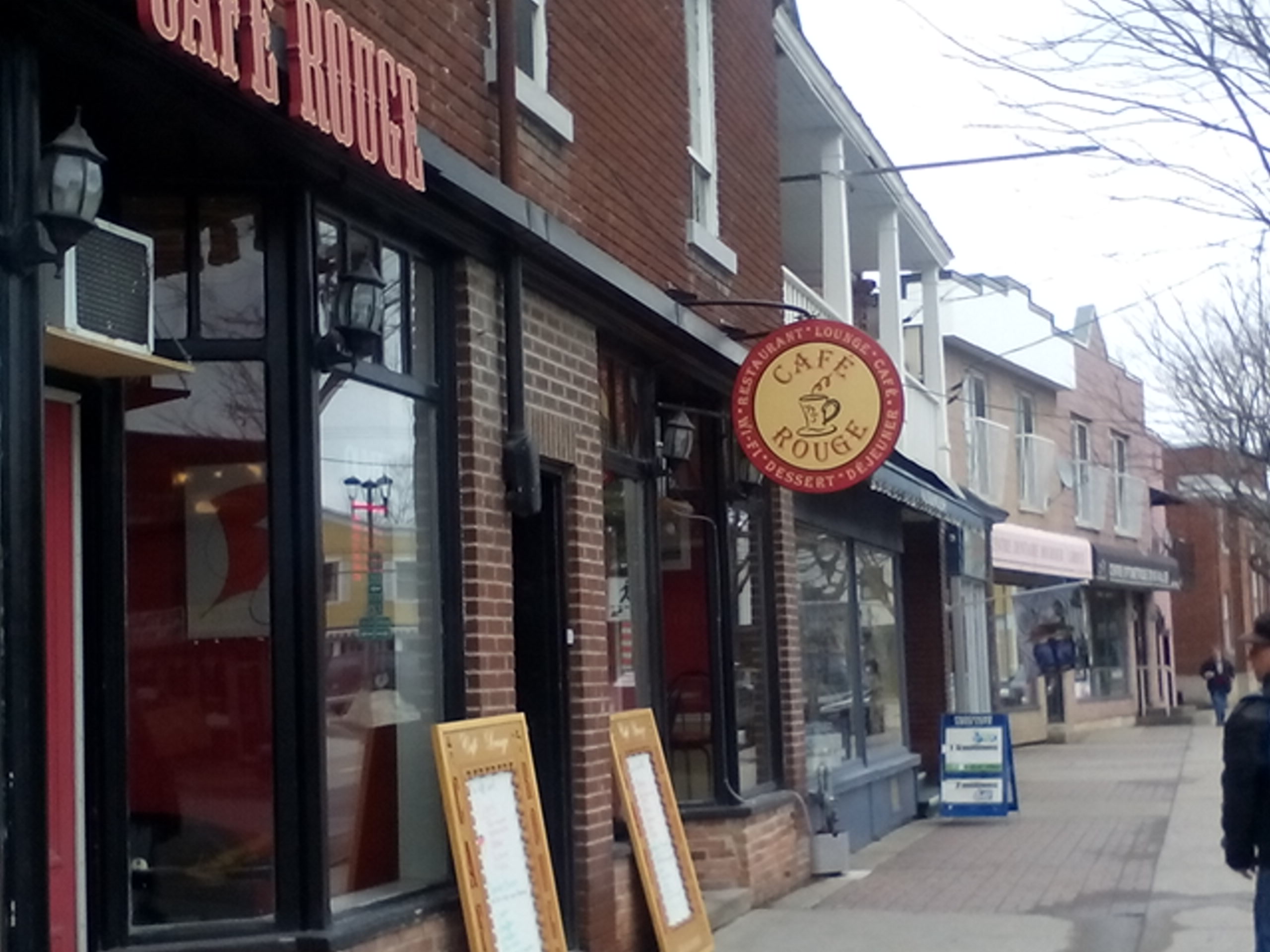
Bedford, Quebec.

Bedford DSC02924

Bedford 2014-04-08 14.49.23

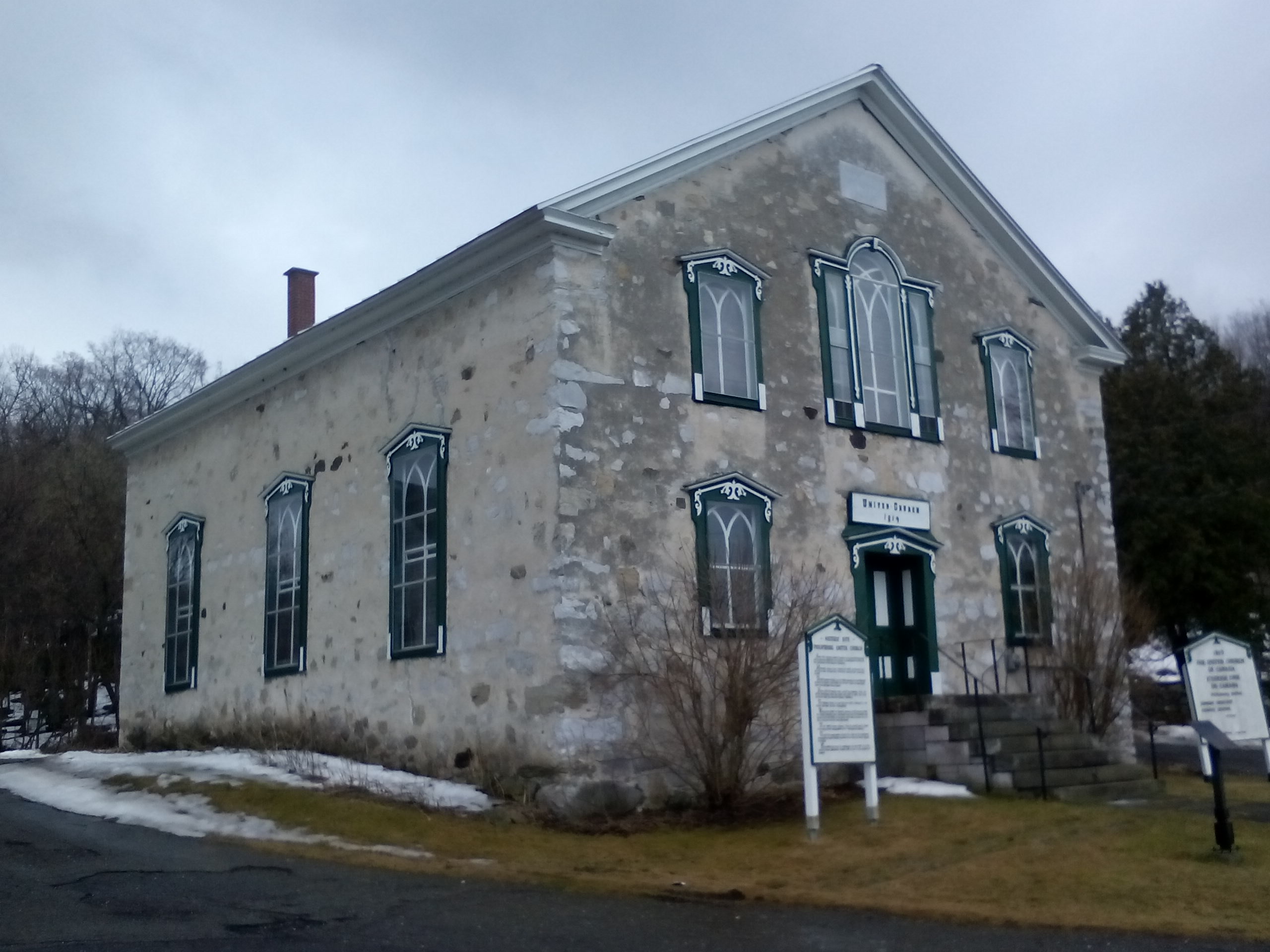
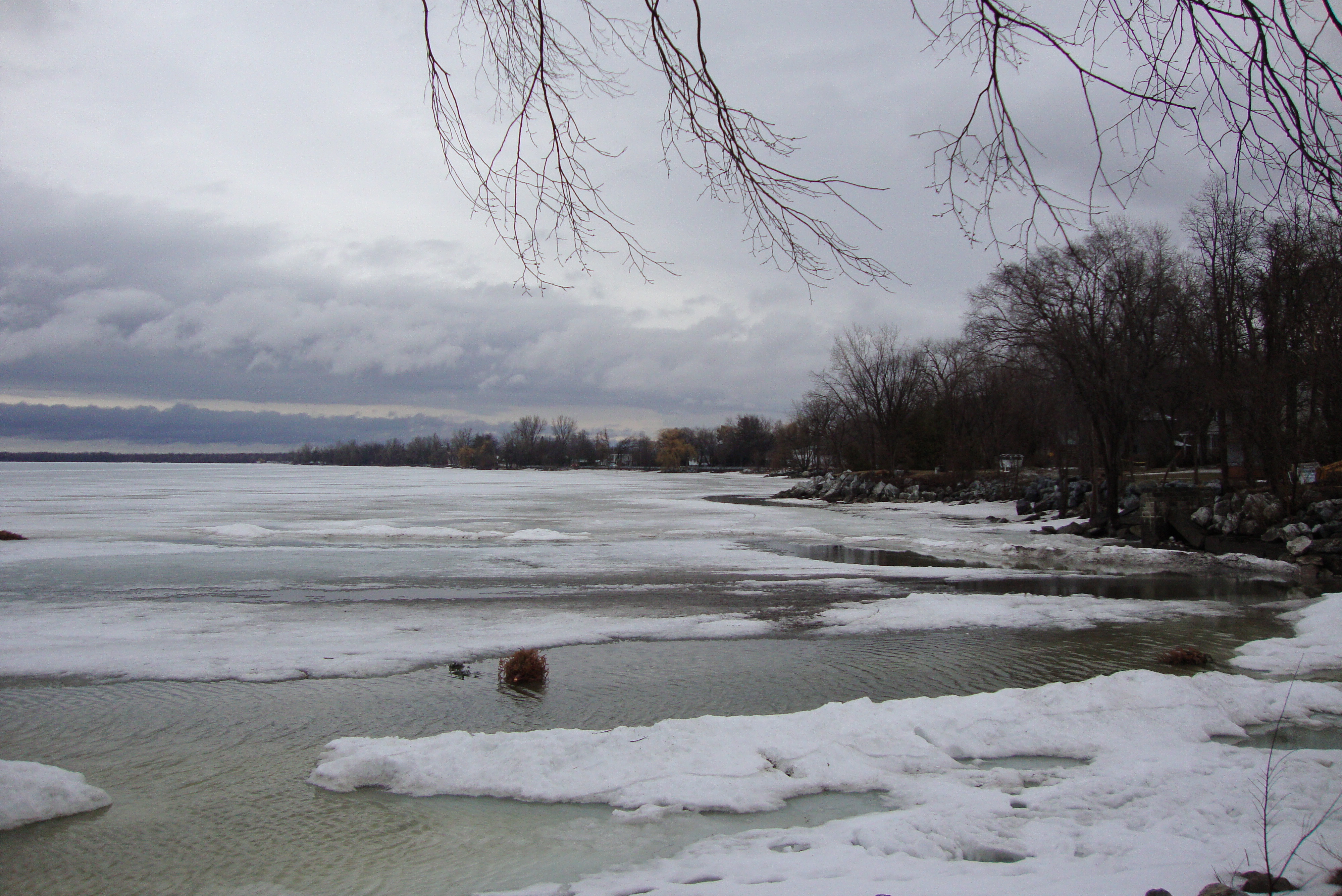
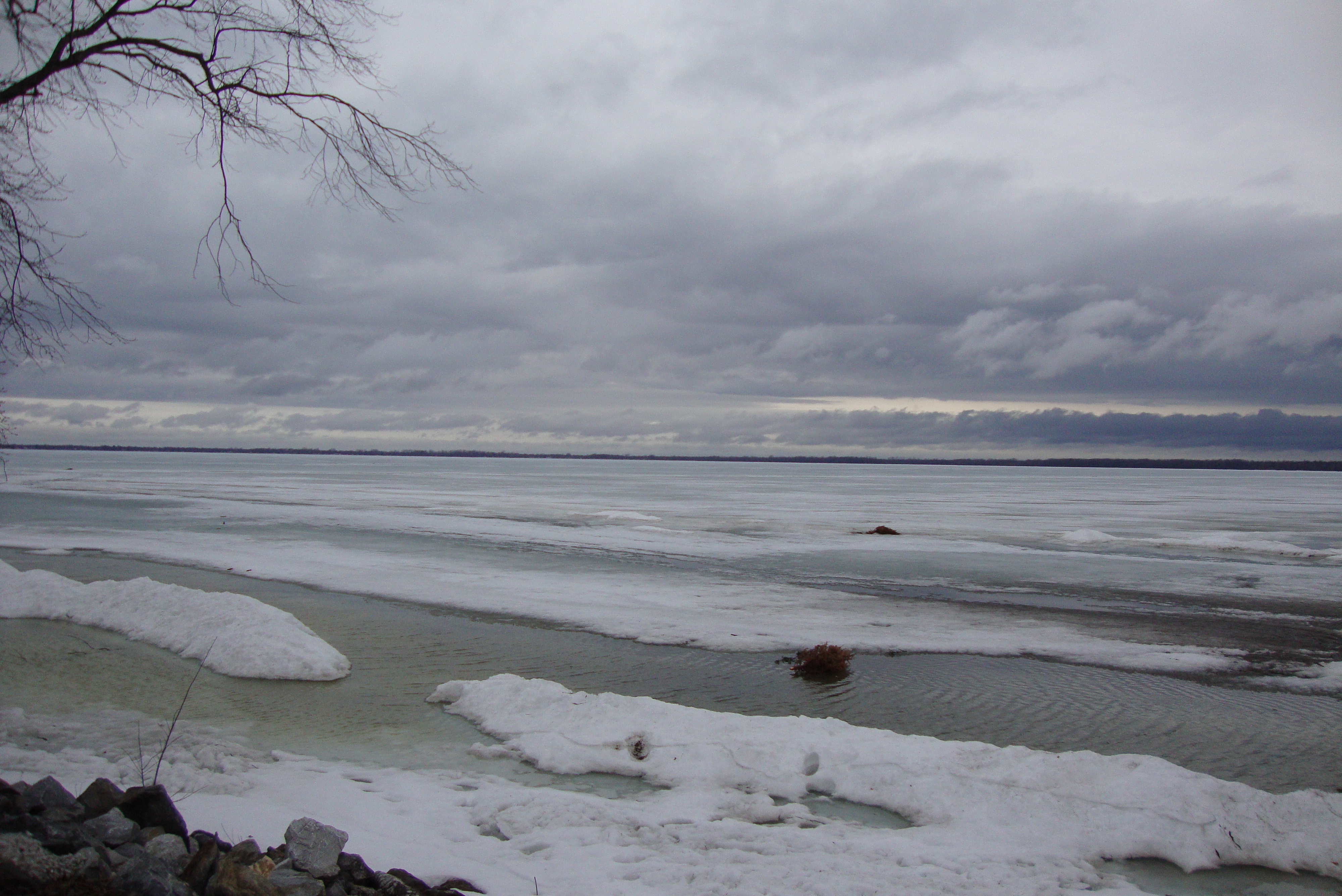
Philipsburg and Lake Champlain.

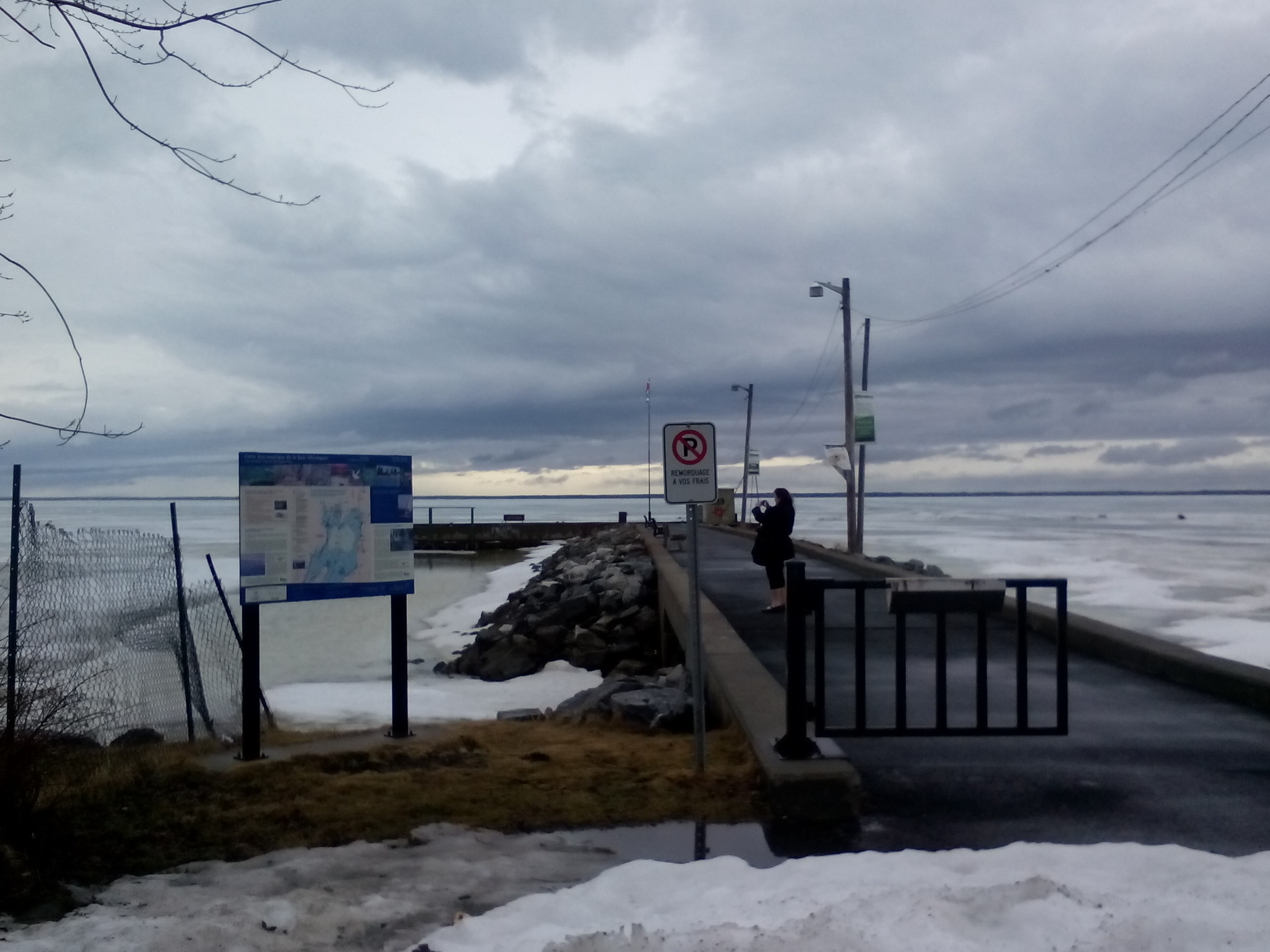
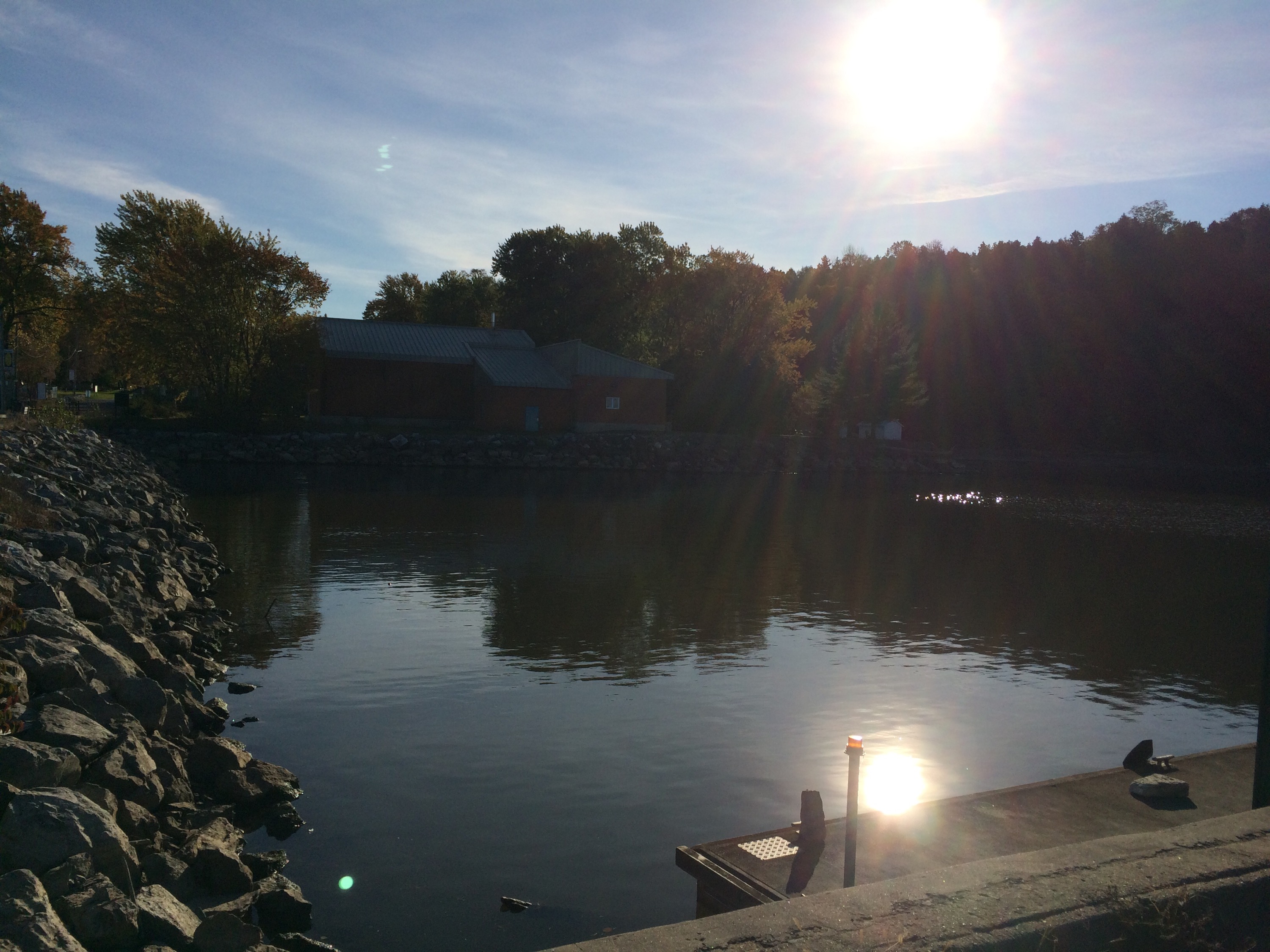
Philipsburg United Church 2014-04-08 16.40.46Philipsburg - Lake Champlain 2014-04-08 16.32.29 2014-04-08 16.30.00 Philipsburg Pier, Lake Champlain Philipsburg - Lake Champlain 2014-04-09 07.28.49Philipsburg - Lake Champlain 2014-04-09 07.28.24

These may look like insignificant country towns, but they are very significant to me. It didn’t matter that they were dull with winter and cold.
Coming here was something of a personal pilgrimage: I was happy just to be here and see these places for myself.

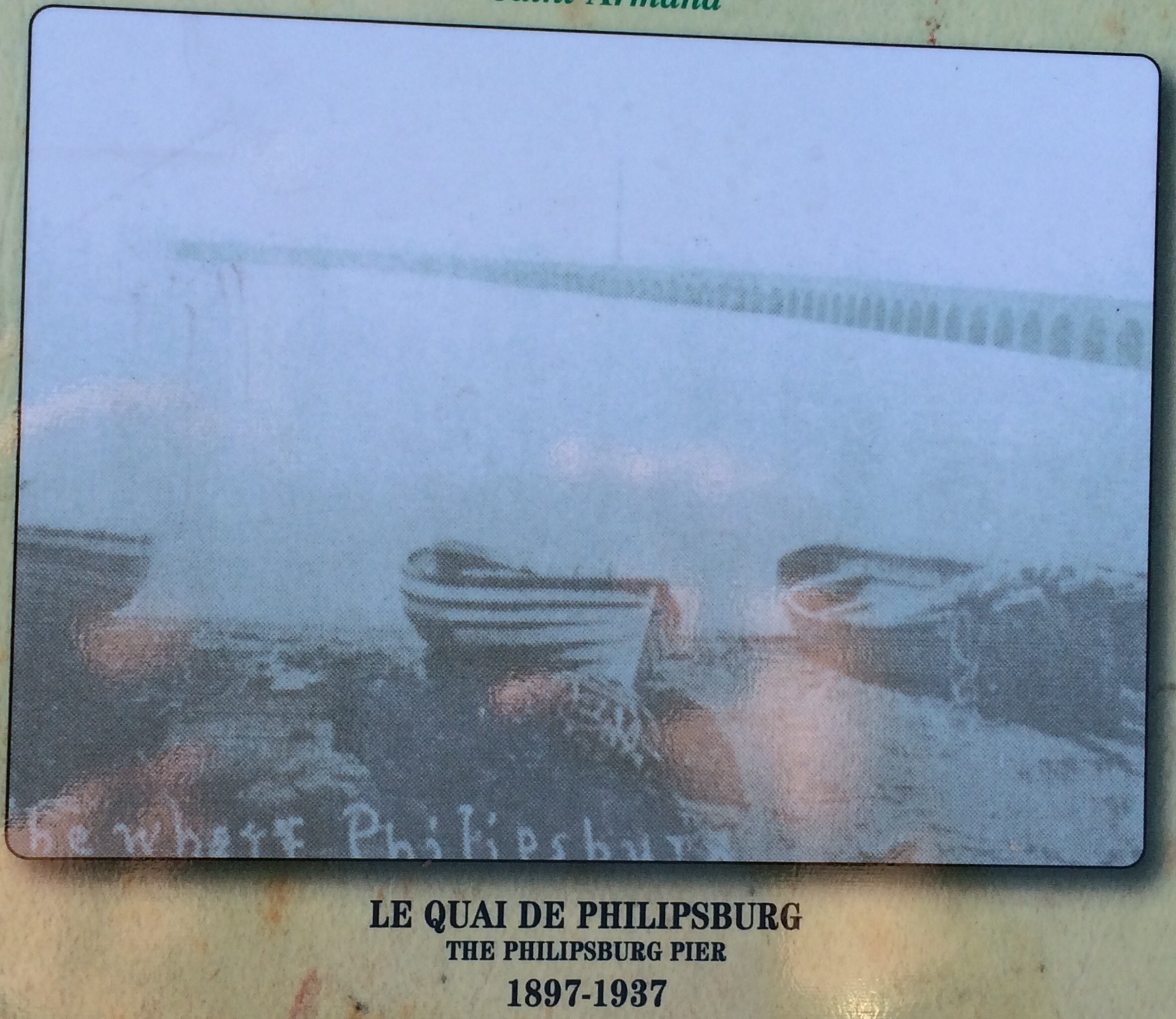
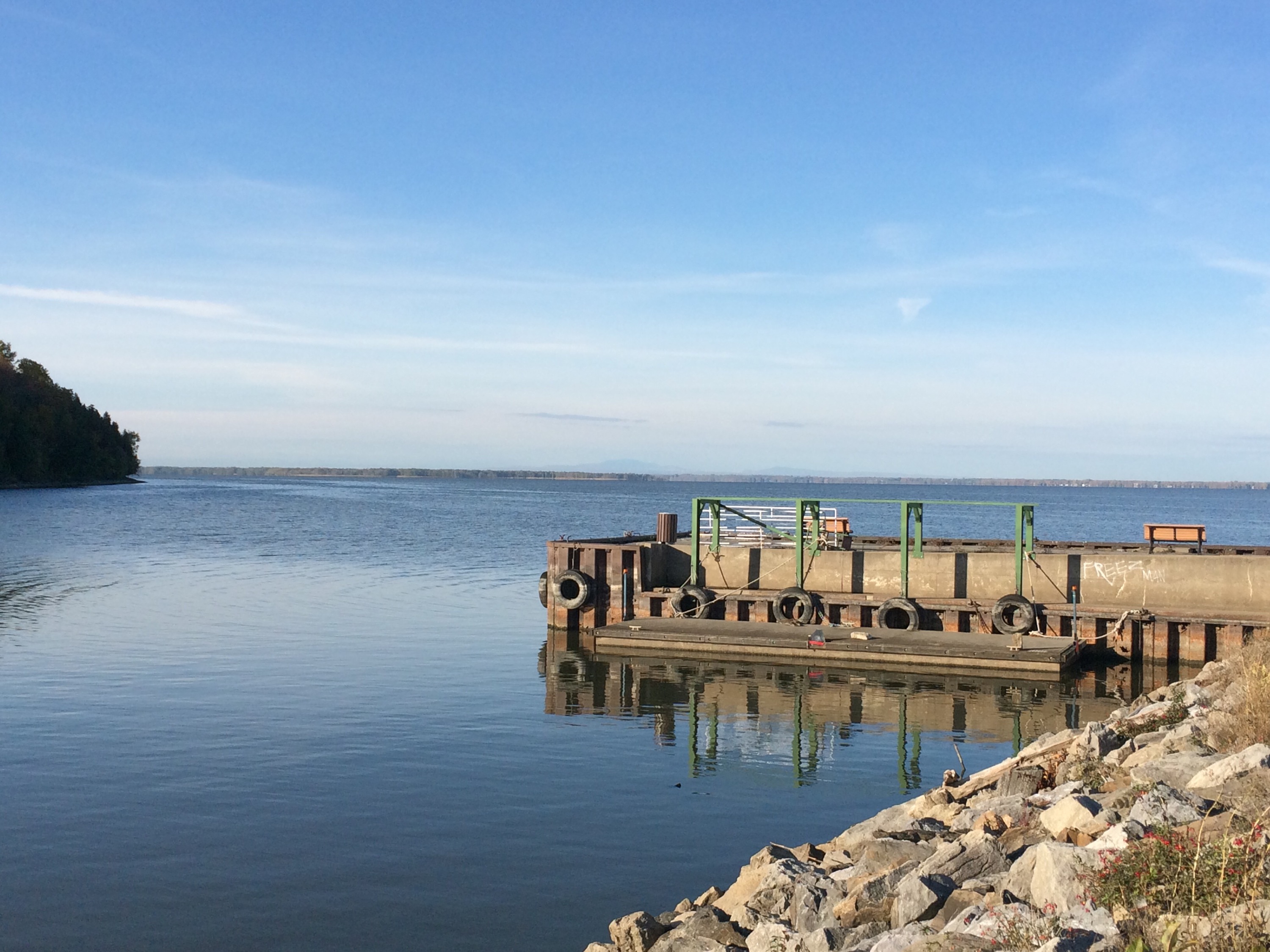
The Philipsburg Pier. 

The Philipsburg Pier originated as a wooden jetty in the 1780s which enabled trade with the USA via Lake Champlain ports. 

The most common good exported via the Philipsburg pier were racehorses, marble, carriages, logs and milled timber. 

When the Champlain Canal opened in 1823, linking Lake Champlain to the Hudson River, trade with New York and the greater New England area of the US opened up. The jetty was upgraded and enlarged by 1836 so that supply, particularly of milled timber, could meet the demand. 

Despite competition from rail transport later in the 1800s, Lake Champlain trade continued unabated. By 1872, Philipsburg had a population of 271 and a very lucrative trade turnover of $20000 per annum. 

The pier was upgraded again in 1895, and was only downgraded due to lack of commercial demand in 1937. 

  
Today, the pier is used for recreation, largely fishing and pleasure boating. It’s also a really lovely place to sit and enjoy the beautiful scenery. 


Philipsburg.

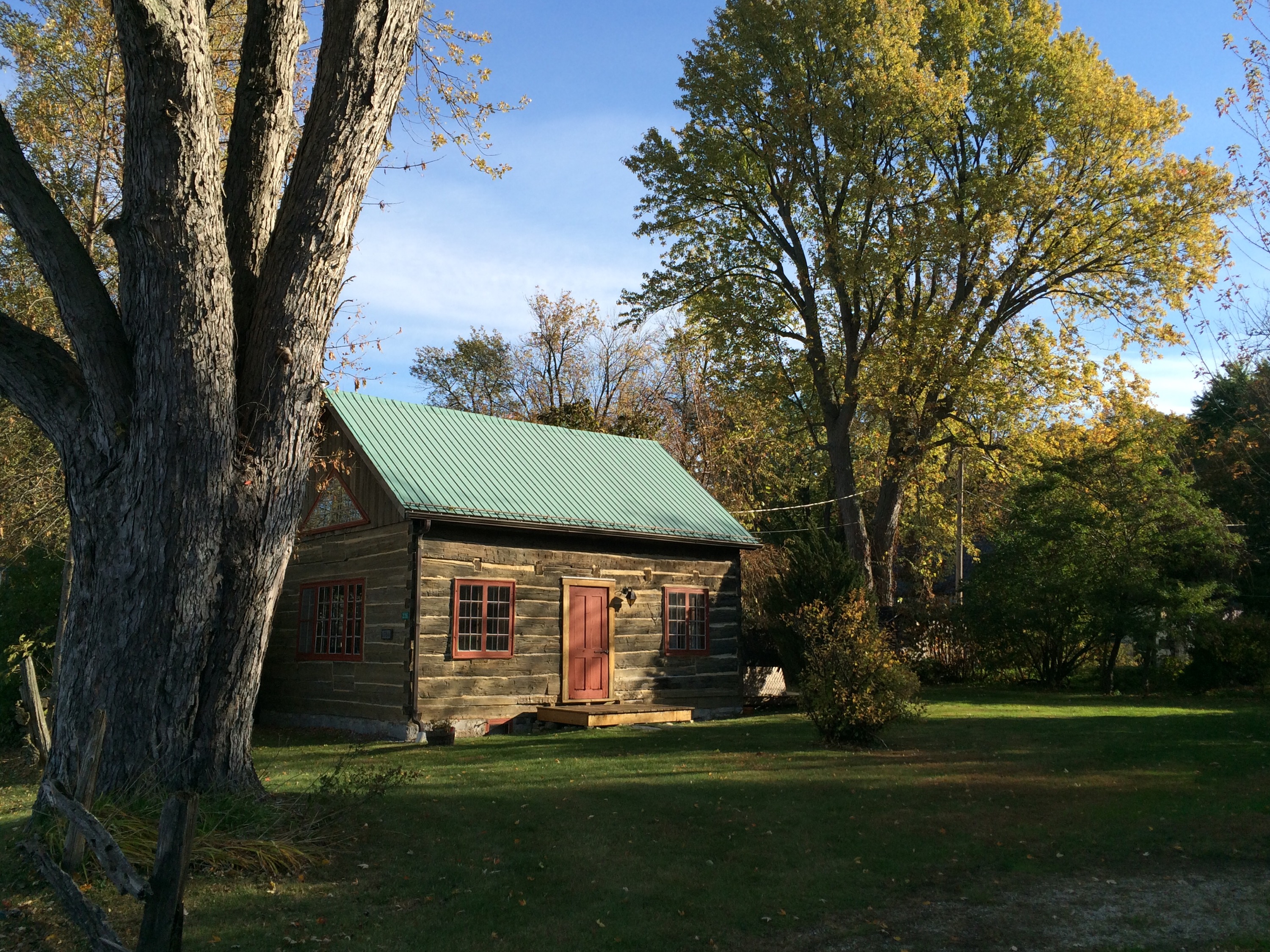
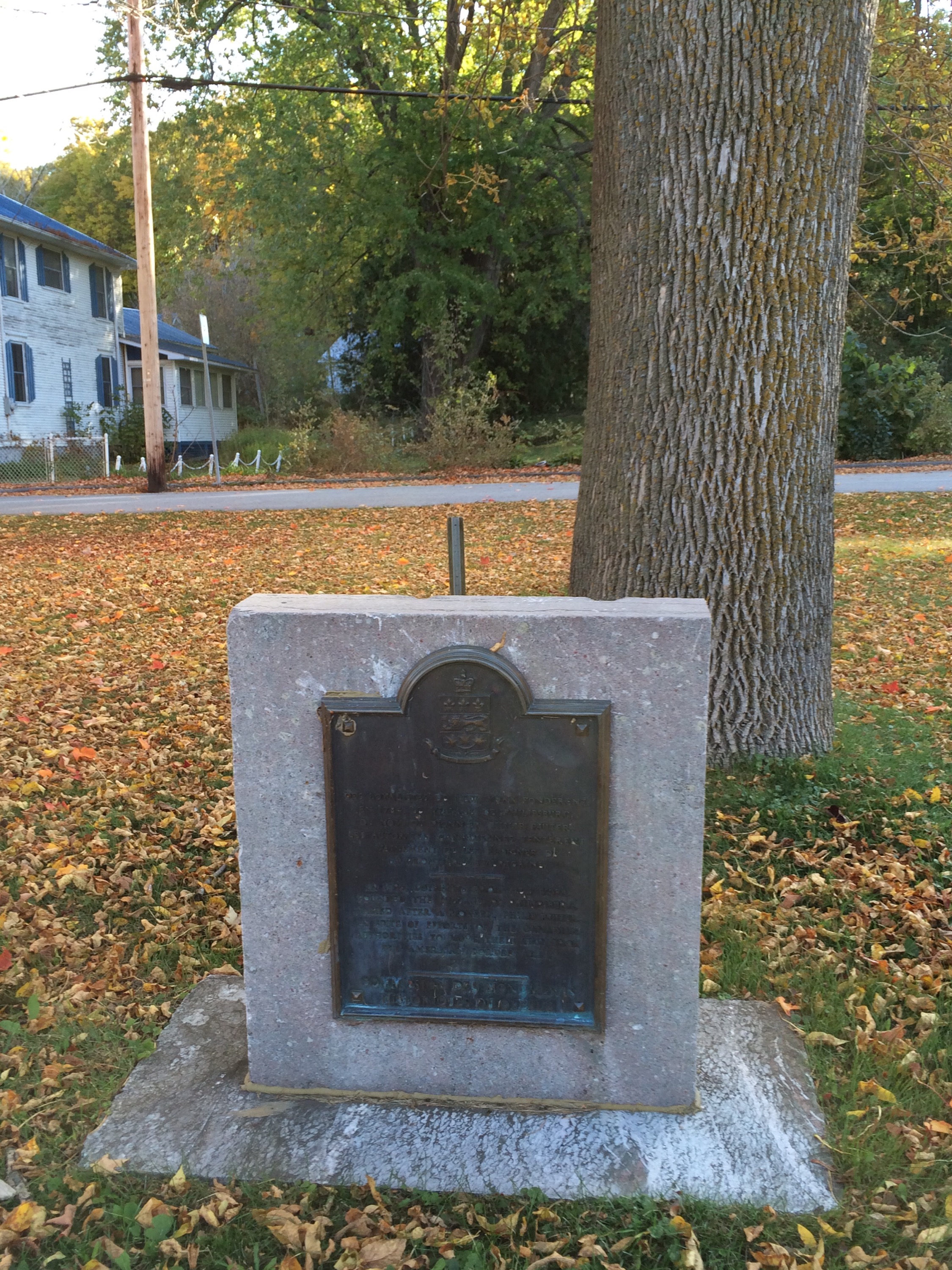
The village of Philipsburg was established in 1784 by Empire Loyalists who moved to Canada from New York after the USA won her independence from the British. 

Two earlier attempts by the French to settle the area had been unsuccessful. The region was named St Armand by the French in 1748.

The Iroquois had villages here in the northernmost part of their territory, and they lived a settled and peaceful way of life. Across the lake were the Algonquians and some Abenakis, living in the southernmost reaches of their lands. 
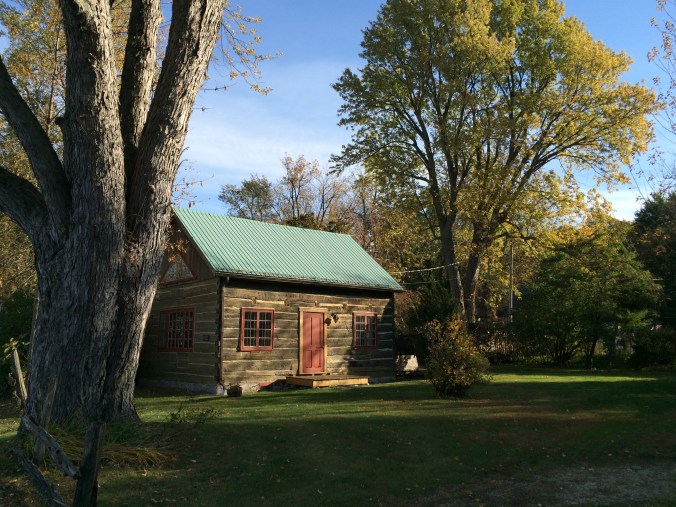
  
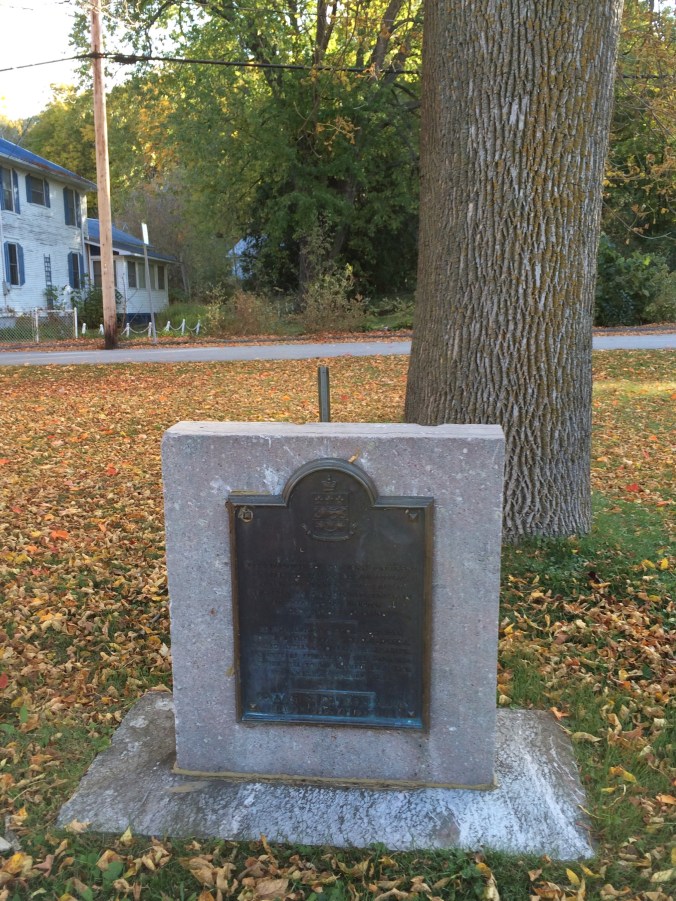
The village was named after Philip Ruiter, a pioneer in the area.

The Canadian authorities were not keen to see settlement here because they felt it was too close to the American border. It’s easy to see why the settlers chose this place, though. 
  
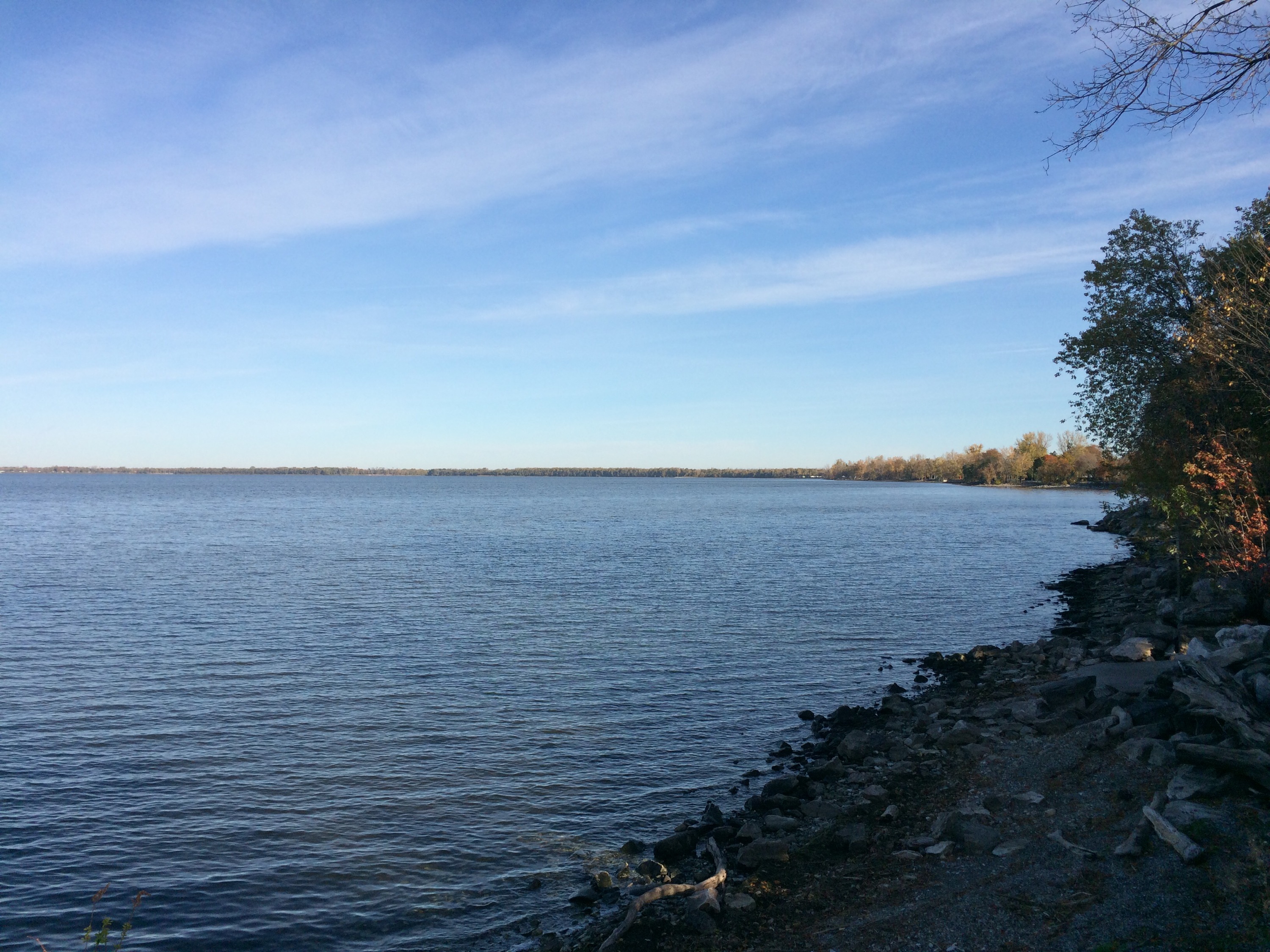
Located on the shore of Lake Champlain among woods on rolling hills and rich earth for farming, Philipsburg offered plenty of opportunities for farming, hunting, fishing, and enjoying a pretty view of the lake from one’s front porch. 
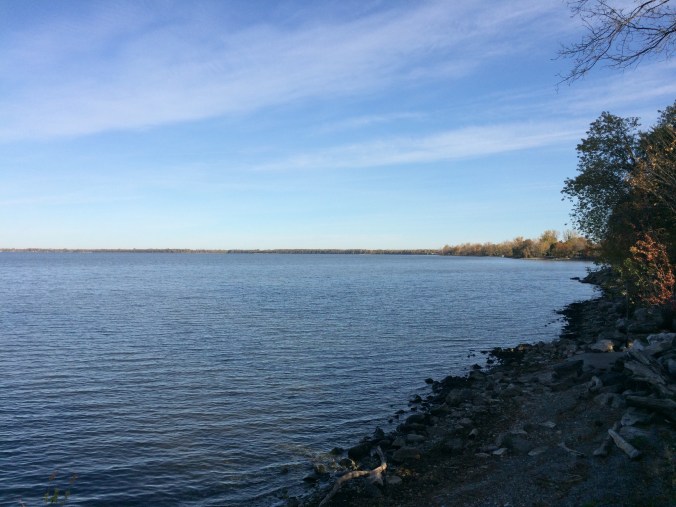
  

Today, Philipsburg is still a pretty lakeshore village with those same opportunities, within easy reach of the Eastern Townships and the cities of St-Jean-sur-Richelieu and Montreal, as well as convenient access to the US state of Vermont via the border crossing at the Highgate Centre. 

I’ve had the privilege of calling Philipsburg home for only a short time, but I will always love this place. My mornings spent by the lake have been precious times of reflection and serenity, and part of my heart will always remain here.